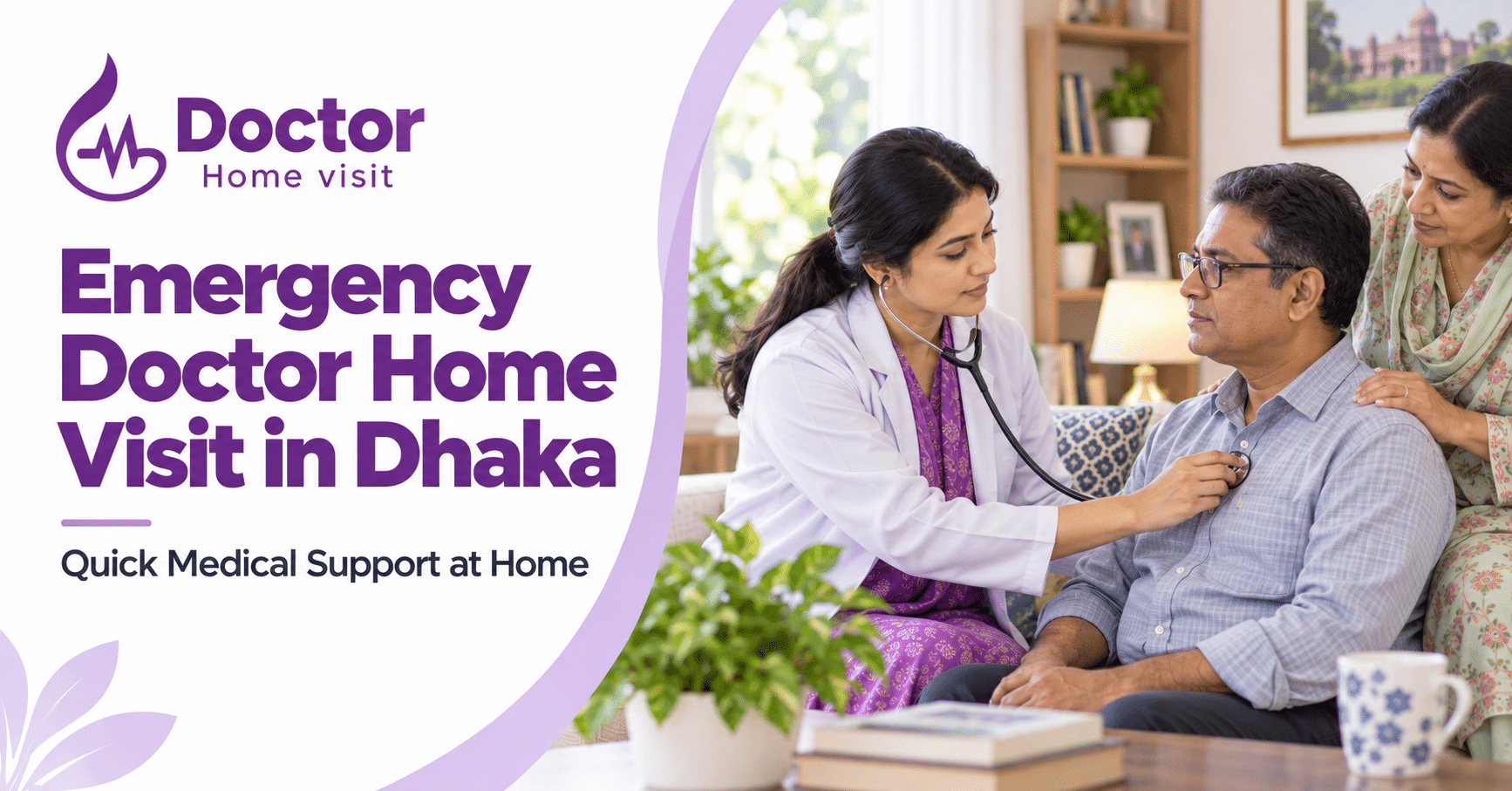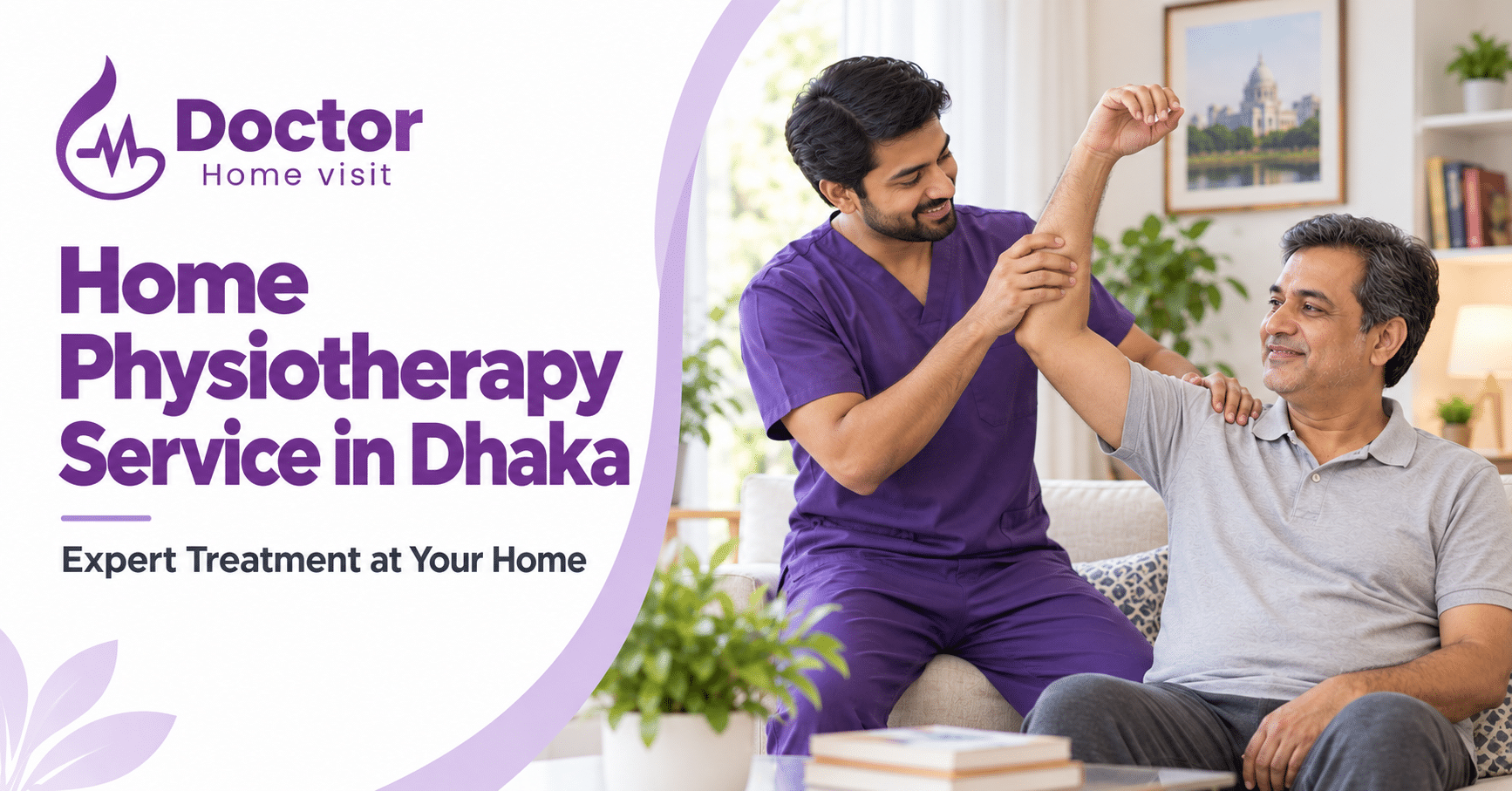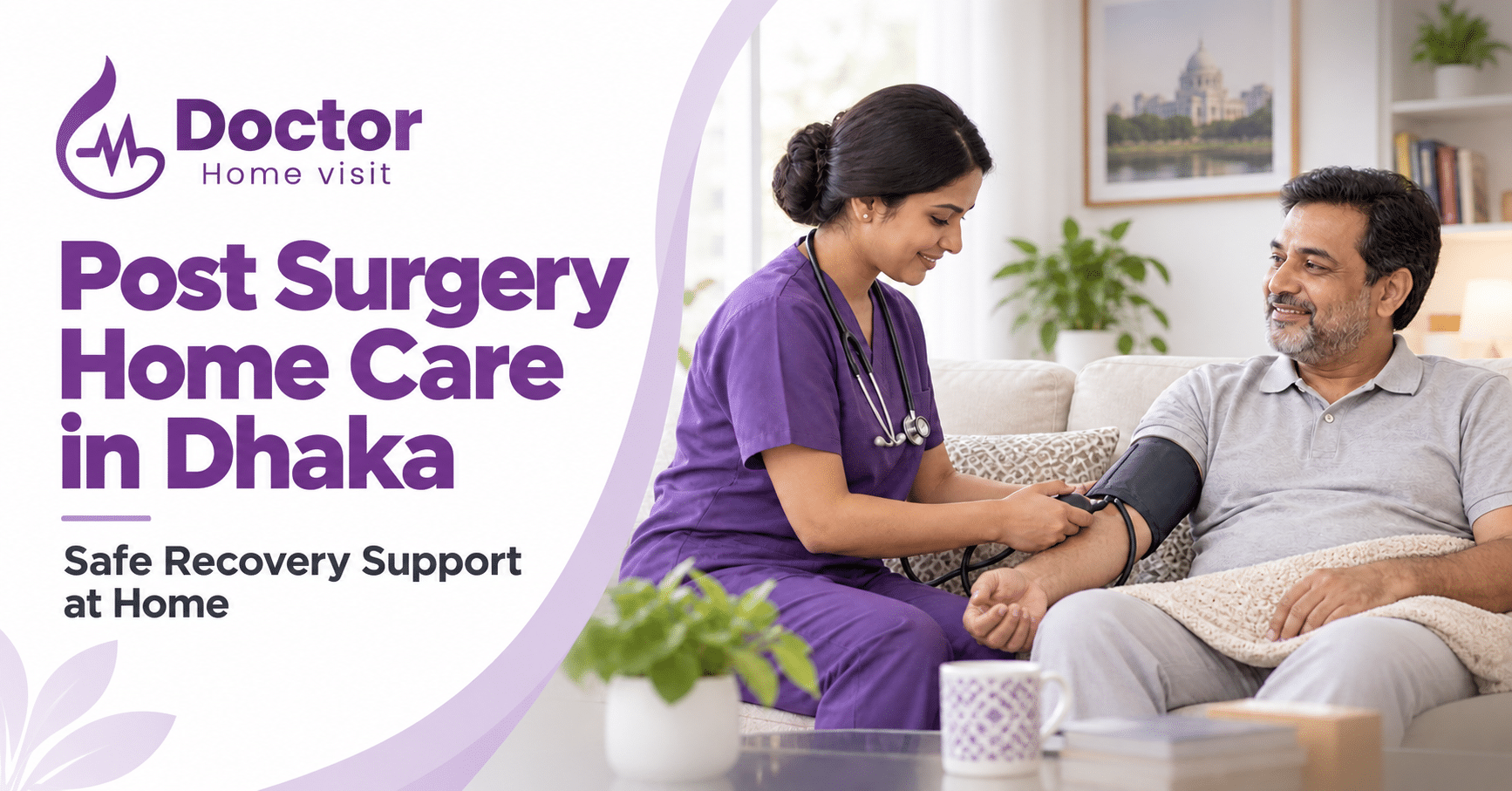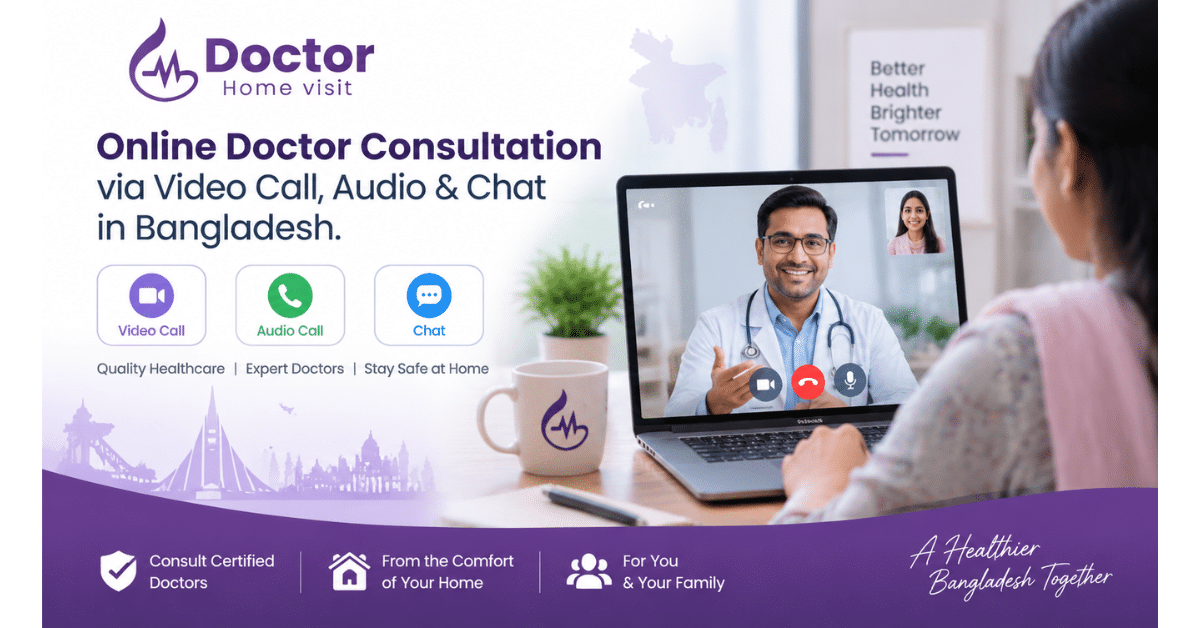
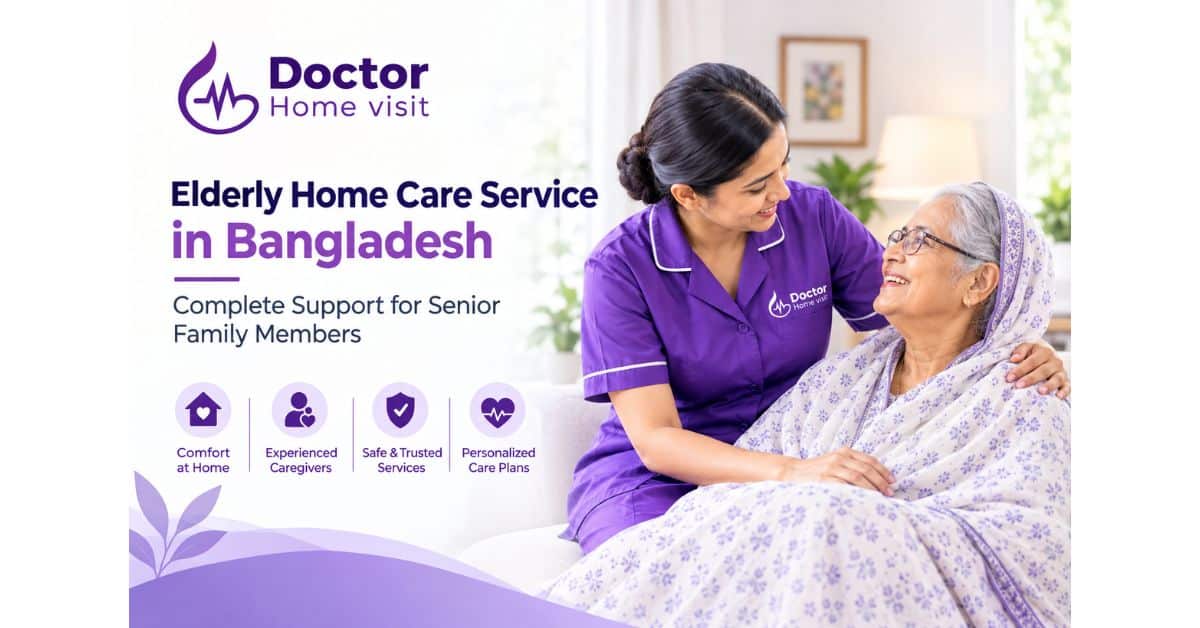
Elderly Home Care Service is becoming an important part of modern healthcare in Bangladesh, helping families provide better support for aging parents and senior family members. As people grow older, they may need assistance with daily activities, personal care, mobility, medication routines, and regular health monitoring.
Taking care of elderly family members is an emotional responsibility filled with love and dedication. However, providing continuous care can become difficult when family members have professional commitments, household responsibilities, or limited experience managing age-related health challenges.
A professional elderly home care service provides the support seniors need while allowing them to remain in a familiar and comfortable environment. Trained caregivers can assist with daily activities, personal hygiene, mobility support, companionship, and basic healthcare routines based on the individual’s condition.
In Bangladesh, many families are now choosing home-based elderly care because senior citizens often prefer staying close to their family members instead of spending long periods in hospitals or unfamiliar care facilities. A comfortable home environment can help elderly people feel safer, more relaxed, and emotionally connected.
At Doctor Home Visit BD, we believe elderly care is not only about managing health problems. It is about respecting senior citizens, supporting their independence, and ensuring they receive compassionate care with dignity.
Whether your parent needs daily caregiver assistance, nursing support, physiotherapy, doctor consultation, or regular health checkups at home, professional elderly care services can provide the right support according to their needs.
What Is Elderly Home Care Service?
Elderly home care service refers to professional assistance provided to senior citizens in their own homes to help them manage daily activities, personal needs, and healthcare requirements. The main purpose of this service is to improve the safety, comfort, and quality of life of elderly individuals while allowing them to stay connected with their family and surroundings.
As people enter old age, they may experience physical changes that make certain activities more challenging. Reduced strength, mobility issues, memory problems, and chronic illnesses can affect their ability to complete everyday tasks independently.
Unlike hospital care, elderly home care focuses on continuous support and long-term comfort. It provides seniors with the assistance they need without removing them from their familiar environment.
A professional elderly home care service may include caregiver support, personal care assistance, mobility help, medication reminders, companionship, health observation, and coordination with doctors or healthcare professionals.
For families in Bangladesh, this type of care provides a practical solution when elderly parents need regular support but do not require full-time hospital treatment.
Understanding Senior Care at Home
Senior care at home focuses on helping older adults maintain a safe, comfortable, and independent lifestyle while receiving the support they need.
Every elderly person has different requirements. Some seniors may only need occasional assistance with daily activities, while others may require more regular care because of medical conditions, reduced mobility, or age-related challenges.
A professional caregiver understands these differences and provides support according to the senior person’s lifestyle and health condition.
Senior care at home may include assistance with daily routines, personal hygiene, meals, movement, medical appointments, and communication with family members.
The goal is not to make seniors dependent on others. Instead, quality elderly care helps older adults continue living with confidence while receiving support where necessary.
Support for Daily Living and Healthcare Needs
As seniors age, simple daily activities can sometimes become difficult. Tasks such as preparing meals, maintaining personal hygiene, walking safely, or organizing medical information may require additional assistance.
A caregiver helps elderly individuals manage these activities while respecting their privacy and independence.
For example, an elderly person may be able to walk independently but need support while going outside. Another senior may need help managing daily medicine schedules or preparing for a doctor’s appointment.
Professional home care provides flexible support based on what each person actually needs.
For elderly patients who require additional healthcare support, caregiver services can work together with doctor consultation, nursing assistance, physiotherapy, and regular medical checkups.
Why Elderly People Need Specialized Home Support
Growing older is a natural part of life, but ageing often brings physical, emotional, and healthcare challenges. While many seniors remain active and independent, others need additional assistance to maintain a safe and comfortable lifestyle.
Specialized elderly home care provides support designed specifically for senior citizens. It considers their physical limitations, health conditions, emotional needs, and personal preferences.
Many elderly individuals need home support because of:
- Difficulty with daily activities
- Reduced mobility
- Chronic illnesses
- Regular medication requirements
- Recovery after medical treatment
- Need for companionship
Professional care helps seniors receive assistance without losing their independence.
Common Challenges Faced During Old Age
Old age can bring several changes that affect daily living. Some elderly people experience weakness, balance problems, joint pain, memory issues, or difficulty managing multiple health conditions.
These challenges can make everyday tasks more complicated and sometimes unsafe without proper support.
Many seniors also require regular health monitoring because conditions such as diabetes, heart disease, arthritis, and other chronic illnesses need continuous attention.
With proper elderly home care, families can ensure that senior members receive consistent assistance while staying comfortable at home.
Difference Between Family Care and Professional Elderly Care
Family members are often the first source of care and emotional support for elderly parents. The relationship between seniors and their family is extremely valuable because love, trust, and emotional connection play a major role in elderly well-being.
However, professional elderly care provides additional support that family members may not always be able to provide due to work pressure, distance, or lack of caregiving experience.
Understanding the difference between family care and professional care helps families choose the right approach.
Family Care and Emotional Support
Family care provides emotional comfort that cannot be replaced. Spending time with parents, listening to their experiences, and maintaining family relationships help seniors feel valued and respected.
Family members often provide:
- Emotional support
- Companionship
- Personal connection
- Help with important decisions
However, daily elderly care can involve physically demanding responsibilities such as mobility assistance, personal care, medication management, and continuous supervision.
When these responsibilities become difficult to manage, professional support can help families provide better overall care.
Professional Caregiver Support at Home
Professional elderly care provides structured assistance from trained caregivers who understand senior needs.
A professional caregiver can help with:
- Daily living activities
- Personal hygiene
- Mobility assistance
- Patient care support
- Companionship
- Health routine management
This type of support allows family members to remain emotionally involved while ensuring elderly individuals receive reliable daily assistance.
The best elderly care approach often combines family involvement with professional caregiver support to create a safer and more comfortable environment for seniors.
Why Elderly Home Care Is Important in Bangladesh
Challenges Faced by Aging Family Members
Ageing is a natural process, but it often comes with physical, emotional, and healthcare challenges that can affect a senior person’s daily life. In Bangladesh, many families want to provide the best possible care for their elderly parents, but managing continuous support can become difficult because of busy lifestyles, professional responsibilities, and changing family structures.
Many elderly individuals experience reduced mobility, weakness, difficulty managing daily activities, and the need for regular health monitoring. Simple tasks that were once easy, such as walking safely, preparing meals, maintaining hygiene, or attending medical appointments, may become challenging over time.
A professional Elderly Home Care Service in Bangladesh helps address these challenges by providing personalized support at home. Instead of moving seniors away from their familiar surroundings, home care allows them to receive assistance while staying connected with their family and community.
Physical and Emotional Challenges of Old Age
Physical changes are one of the biggest reasons elderly people require additional care. As the body becomes weaker with age, seniors may experience difficulty with movement, balance, hearing, vision, or completing regular activities independently.
Many older adults also live with chronic illnesses such as diabetes, heart disease, arthritis, or other long-term health conditions. These conditions often require regular monitoring, medication management, and follow-up care from healthcare professionals.
Apart from physical challenges, emotional health is equally important. Some elderly people experience loneliness, reduced social interaction, or feelings of dependency when they are unable to perform activities they once managed themselves.
Professional elderly care provides both practical assistance and emotional support. A caregiver can help seniors maintain daily routines while offering companionship and encouragement.
Increasing Need for Professional Senior Care
The demand for professional senior care is growing in Bangladesh as families recognize the importance of specialized support for elderly loved ones. Traditional family-based care remains valuable, but modern lifestyles have created new challenges.
Many adult children are managing careers, businesses, children, and other responsibilities. As a result, providing full-time care for elderly parents may not always be possible.
Professional home care services provide a reliable solution by offering trained caregivers who understand senior needs and can provide consistent assistance.
Changing Family Lifestyle and Growing Healthcare Needs
Family structures have changed significantly over time. Many families now live in urban areas, work longer hours, or have relatives living in different cities and countries.
Because of these changes, elderly parents may spend more time alone during the day, even when their family members care deeply about them.
An elderly home care service helps bridge this gap by providing professional support when family members cannot always be physically present.
With proper home care, seniors can receive:
- Daily assistance
- Health monitoring
- Companionship
- Mobility support
- Personal care
This allows families to stay connected while ensuring their elderly members receive the attention they need.
Growing Demand for Home Healthcare Services
Healthcare preferences are also changing. Many families now prefer receiving healthcare support at home because it provides greater comfort and convenience compared to frequent hospital visits.
For elderly patients, visiting a hospital or clinic can sometimes be physically difficult. Travelling, waiting for appointments, and managing transportation can create additional stress.
Home healthcare services allow seniors to receive support without unnecessary movement.
Depending on the patient’s condition, home healthcare may include:
- Elderly caregiver service
- Doctor consultation
- Nursing assistance
- Physiotherapy
- Health checkups
- Chronic disease monitoring
Services such as Doctor home visit BD, home doctor service in Dhaka, and home nursing support are becoming increasingly helpful for senior citizens.
Supporting Independent and Comfortable Living
Helping Seniors Maintain Quality of Life
One of the biggest goals of elderly home care is helping seniors continue living with comfort, dignity, and independence.
Professional care does not mean taking control of every aspect of a senior person’s life. Instead, it provides support where needed while encouraging elderly individuals to remain active and involved.
A caregiver can help seniors maintain a better quality of life by assisting with daily routines, encouraging safe activities, and providing emotional support.
A comfortable home care environment allows elderly individuals to enjoy:
- Familiar surroundings
- Family connection
- Personal routines
- Emotional security
For many seniors, staying at home provides a sense of independence that may not be possible in unfamiliar environments.
Types of Elderly Home Care Services
Elderly people have different healthcare and lifestyle needs. Some seniors may require only basic daily assistance, while others may need more comprehensive support because of medical conditions or mobility challenges.
A professional elderly home care provider offers different types of services depending on the senior person’s requirements.
The main types of elderly home care include daily living assistance, medical monitoring, medication support, personal care, mobility assistance, and emotional companionship.
Daily Living Assistance
Daily living assistance helps elderly individuals manage everyday activities that may become difficult due to ageing, illness, or physical limitations.
A caregiver provides support while respecting the senior person’s independence and personal preferences.
Support With Everyday Activities
Daily activities are an important part of maintaining a healthy and comfortable lifestyle. Elderly individuals may need assistance with tasks such as preparing meals, organizing daily routines, moving around the home, or attending appointments.
A caregiver can help seniors maintain consistency in their daily lives by providing practical support.
For example, an elderly person recovering from illness may need help preparing meals and moving safely around the house. A senior living with mobility challenges may need assistance with walking or personal activities.
This type of support helps seniors continue living comfortably without depending completely on family members.
Medical Monitoring Support
Health Observation and Doctor Coordination
Many elderly individuals require regular health monitoring because ageing often increases the risk of chronic illnesses and health complications.
While caregivers do not replace doctors, they can help observe daily changes and communicate important information to family members or healthcare providers.
A caregiver may notice changes such as:
- Reduced appetite
- Increased weakness
- Changes in mobility
- Unusual discomfort
- Changes in daily behaviour
These observations can help families decide when medical advice or a doctor’s visit may be necessary.
For seniors requiring regular medical support, elderly home care can work alongside a general physician, specialist doctor, nursing professional, or healthcare provider.
Regular Health Support at Home
Many elderly patients find frequent hospital or clinic visits difficult because of physical limitations. Home-based healthcare support provides a more convenient option for seniors who need regular attention.
Through home healthcare services, elderly patients may receive:
- Doctor consultation at home
- Medical checkups
- Nursing support
- Physiotherapy assistance
- Health monitoring
This approach helps families manage elderly healthcare more comfortably while reducing unnecessary travel and stress.
Medication Management
Helping Seniors Follow Medicine Schedules
Managing medicines properly becomes increasingly important as people grow older. Many elderly individuals take multiple medicines for conditions such as diabetes, high blood pressure, heart disease, arthritis, and other chronic illnesses.
Remembering different medicines, timings, and instructions can sometimes become confusing, especially for seniors who live alone or have memory-related challenges.
A professional caregiver can help elderly patients maintain their medicine routine by providing reminders and organizing information according to the instructions given by doctors or healthcare professionals.
Medication support may include:
- Reminding seniors about scheduled medicines
- Helping organize prescriptions and medical reports
- Supporting communication with family members
- Preparing information for doctor consultations
Caregivers do not replace doctors or pharmacists, and they should not make independent changes to medication plans. Their role is to support the routine established by qualified healthcare professionals.
Supporting Doctor’s Instructions
Following a doctor’s treatment plan consistently is important for elderly patients, especially those managing long-term health conditions. Missing appointments, forgetting instructions, or misunderstanding care routines can affect health outcomes.
A caregiver helps seniors follow the daily routines recommended by their healthcare providers. They can assist with preparing for medical appointments, maintaining health records, and communicating important observations to family members.
For example, if an elderly patient has regular follow-ups with a general physician or specialist doctor, a caregiver can help organize previous reports and ensure the patient is prepared for the consultation.
For families using services such as Doctor home visit BD, home nursing, or regular medical checkups, caregiver support can make the overall healthcare process more organized and convenient.
Personal Hygiene and Mobility Support
Ageing can affect a person’s ability to perform personal care activities independently. Reduced strength, balance issues, or medical conditions may make everyday tasks more challenging.
Professional elderly home care provides respectful assistance with personal hygiene and mobility while maintaining the senior person’s dignity and privacy.
Maintaining Comfort and Safety
Personal hygiene plays an important role in elderly health and comfort. Seniors who have difficulty managing personal care may need additional support with activities such as bathing, dressing, grooming, and maintaining cleanliness.
A caregiver provides assistance based on the individual’s needs while ensuring that the senior feels respected and comfortable.
Proper hygiene support can help:
- Improve daily comfort
- Maintain confidence
- Reduce health risks
- Support better quality of life
For elderly individuals with limited mobility, caregivers can also assist with safe movement around the home and help prevent common risks such as falls.
Supporting Safe Movement and Mobility
Mobility challenges are common among older adults. Problems such as joint pain, weakness, balance difficulties, or recovery after illness can make walking and movement more difficult.
A caregiver can provide support with:
- Walking assistance
- Moving safely around the home
- Getting in and out of bed
- Basic movement routines
Safe mobility support helps seniors remain active while reducing the risk of accidents.
For elderly patients receiving physiotherapy, caregiver assistance can also support recommended daily activities and rehabilitation routines.
Companionship and Emotional Support
Reducing Loneliness Among Elderly People
Emotional well-being is an important part of elderly healthcare. Many seniors experience loneliness when family members are busy with work or unable to spend enough time with them.
A caregiver provides companionship by spending time with seniors, having conversations, listening to their concerns, and creating a positive daily environment.
Companionship can help elderly individuals feel:
- More connected
- Emotionally supported
- Less isolated
- More confident
A professional caregiver often becomes a trusted person who provides both practical assistance and emotional encouragement.
Building Trust Between Caregiver and Senior
A strong relationship between a caregiver and elderly person is built on patience, respect, and understanding.
Every senior has different habits, preferences, and comfort levels. A good caregiver takes time to understand the person’s lifestyle and provides support accordingly.
Trust helps seniors feel more comfortable receiving assistance with personal activities and daily routines.
A patient-centered approach ensures that elderly care is not only focused on completing tasks but also on creating a positive and respectful experience.
Benefits of Elderly Care at Home
Comfortable Environment for Seniors
One of the biggest advantages of elderly home care is that seniors can receive support while staying in their own familiar environment.
Many older adults feel emotionally connected to their homes because they contain personal memories, family experiences, and familiar routines. Moving to a hospital or care facility can sometimes create stress and anxiety.
Home-based elderly care allows seniors to continue living in a place where they feel comfortable while receiving professional assistance.
Staying Close to Family and Familiar Surroundings
Family connection plays an important role in elderly well-being. Seniors often feel happier when they can remain close to their children, grandchildren, and familiar surroundings.
Professional home care provides the support needed to maintain this connection.
Instead of moving away from family, elderly individuals can receive assistance at home while continuing to enjoy meaningful interactions with their loved ones.
This combination of professional care and family involvement creates a more balanced support system.
Personalized Attention
Care Based on Individual Needs
Every elderly person has unique healthcare requirements. Some seniors may need assistance only with daily activities, while others may require more comprehensive support because of medical conditions or mobility challenges.
A professional elderly home care service creates support based on the person’s actual needs.
Personalized care may consider:
- Health condition
- Daily routine
- Mobility level
- Medication requirements
- Personal preferences
- Family expectations
This approach ensures that seniors receive appropriate assistance instead of a general care solution.
Better Support for Different Health Conditions
Many elderly individuals live with chronic illnesses that require ongoing attention. Conditions such as diabetes, hypertension, arthritis, and heart disease may require regular monitoring and lifestyle management.
Home care support helps seniors maintain healthier routines while staying connected with healthcare professionals.
When required, elderly care can be combined with:
- Doctor consultation
- Nursing assistance
- Physiotherapy
- Specialist doctor visits
- Medical checkups
This coordinated approach supports better overall health management.
Better Family Peace of Mind
Reducing Stress for Family Members
Caring for elderly parents is emotionally rewarding, but it can also become challenging when family members have multiple responsibilities.
Professional elderly care reduces the pressure on families by providing reliable daily support.
Family members can feel more relaxed knowing their loved ones have assistance with:
- Daily activities
- Personal care
- Mobility
- Health routines
- Companionship
This allows families to focus more on spending quality time with seniors rather than managing every caregiving responsibility alone.
Professional Support When Families Are Unavailable
Many families want to care for their elderly parents but cannot always be physically present because of work, travel, or other commitments.
A caregiver provides dependable support during those times.
For families in cities such as Dhaka, where busy lifestyles are common, professional elderly home care offers a practical way to ensure seniors receive continuous attention.
Reduced Hospital Dependency
Managing Care at Home When Appropriate
One of the major advantages of Elderly Home Care Service is that it can help reduce unnecessary hospital visits for seniors who require regular assistance but do not need continuous hospital treatment.
Many elderly individuals feel uncomfortable staying in hospitals for long periods because hospitals can be stressful, unfamiliar, and physically challenging. For seniors with stable health conditions, receiving proper support at home can provide greater comfort while still ensuring their daily needs are managed.
Home care allows elderly patients to receive assistance with daily routines, health monitoring, and recovery support while remaining close to their family members.
However, elderly home care does not replace hospitals or emergency medical services. When a senior experiences serious health concerns, urgent care, or a medical emergency, professional medical attention should be arranged immediately.
Combining Home Care With Medical Support
The best elderly care approach often combines caregiver assistance with professional healthcare services. While caregivers help with everyday needs, doctors and healthcare professionals manage diagnosis, treatment, and medical decisions.
For elderly patients, a complete home healthcare plan may include:
- Caregiver service for daily support
- Nursing assistance for medical care
- Doctor consultation for health management
- Physiotherapy for mobility improvement
- Regular health checkups
This coordinated approach helps families manage elderly healthcare more effectively.
For example, an elderly patient recovering from surgery may need a caregiver for personal assistance, a nurse for medical procedures, and a doctor for follow-up consultations.
Elderly Healthcare Support Services Available at Home
Modern healthcare is no longer limited to hospitals and clinics. Many elderly patients can now receive different healthcare services directly at home, making medical support more convenient and comfortable.
Home healthcare services are especially helpful for seniors who have difficulty travelling because of age, mobility limitations, or chronic illnesses.
A professional home healthcare system may include doctor visits, nursing support, physiotherapy, and ongoing health monitoring based on the patient’s condition.
Doctor Consultation
Home Doctor Visit and Medical Checkup Support
Regular medical checkups are important for elderly individuals because ageing increases the risk of different health conditions. Visiting a hospital or clinic regularly may become difficult for some seniors due to physical limitations.
Home doctor consultation provides a convenient solution by allowing elderly patients to receive medical advice without unnecessary travel.
A qualified doctor can evaluate the patient’s health condition, review medical reports, provide treatment guidance, and recommend further care when required.
Services such as Doctor home visit BD and home doctor service in Dhaka are becoming increasingly useful for families who want accessible healthcare support for elderly parents.
General Physician and Specialist Doctor Support
Many elderly patients require regular guidance from healthcare professionals. A general physician can help manage overall health concerns, while specialist doctors may be needed for specific conditions.
Depending on the patient’s needs, elderly individuals may require consultation for:
- Diabetes management
- Heart-related concerns
- Joint and mobility issues
- Blood pressure monitoring
- Chronic illnesses
- Recovery after treatment
Having access to a physician at home can make healthcare management easier, especially for seniors who find travelling difficult.
Families searching for terms like Doctor home service near me, Doctor home visit charges, or Can I see a doctor online in Bangladesh? often look for convenient healthcare solutions that reduce unnecessary hospital visits.
Nursing Assistance
Professional Nursing Care for Seniors
Some elderly patients require more than daily caregiver support. They may need skilled nursing assistance because of medical conditions, recovery needs, or ongoing healthcare requirements.
Professional nursing support at home helps seniors receive medical care while staying in a comfortable environment.
Nursing assistance may include support with:
- Health monitoring
- Medical procedures
- Wound care
- Post-treatment support
- Following doctor’s instructions
Nurses work according to their professional training and coordinate with doctors to provide appropriate care.
When Seniors Need Skilled Nursing Support
Not every elderly person requires nursing care. However, certain situations may require assistance from a trained nurse.
Examples include:
- Recovery after major surgery
- Complex health conditions
- Wound management
- Need for medical observation
- Specific treatment requirements
For these patients, combining nursing support with caregiver assistance can provide a complete care solution.
The caregiver focuses on daily living support, while the nurse handles clinical responsibilities.
Physiotherapy Support
Improving Mobility and Recovery
Mobility problems are common among elderly individuals. Age-related weakness, joint problems, injuries, or medical conditions can affect movement and independence.
Physiotherapy helps seniors improve strength, flexibility, balance, and mobility through personalized exercises and rehabilitation plans.
For elderly patients recovering from illness, surgery, or injury, physiotherapy can support a safer return to daily activities.
Rehabilitation Support for Elderly Patients
Recovery is often a gradual process, especially for older adults. A combination of physiotherapy and caregiver support can help seniors continue their rehabilitation comfortably at home.
A caregiver can assist with daily routines while a physiotherapist provides exercise guidance and recovery support.
This combined approach can be beneficial for elderly patients dealing with:
- Mobility limitations
- Joint problems
- Post-surgery recovery
- Weakness after illness
- Balance difficulties
Chronic Disease Monitoring
Managing Long-Term Health Conditions
Many elderly individuals live with chronic illnesses that require regular attention and lifestyle management.
Conditions such as diabetes, hypertension, heart disease, arthritis, and other long-term health problems often require continuous monitoring.
Elderly home care helps families maintain better control over these conditions by supporting daily routines and keeping communication open with healthcare professionals.
Diabetes, Heart Disease, and Other Chronic Illness Care
Managing chronic illnesses involves more than taking medicine. Seniors often need support with diet, activity levels, regular checkups, and observing changes in their health condition.
A caregiver can support elderly patients by helping maintain healthy routines and informing family members about noticeable changes.
When needed, healthcare professionals such as physicians, nurses, and specialists can provide additional guidance.
A complete elderly healthcare approach combines:
- Regular medical consultation
- Medication support
- Healthy lifestyle management
- Caregiver assistance
- Continuous monitoring
This helps elderly individuals manage their health while maintaining comfort at home.
Reduced Hospital Dependency
Managing Care at Home When Appropriate
One of the major advantages of Elderly Home Care Service is that it can help reduce unnecessary hospital visits for seniors who require regular assistance but do not need continuous hospital treatment.
Many elderly individuals feel uncomfortable staying in hospitals for long periods because hospitals can be stressful, unfamiliar, and physically challenging. For seniors with stable health conditions, receiving proper support at home can provide greater comfort while still ensuring their daily needs are managed.
Home care allows elderly patients to receive assistance with daily routines, health monitoring, and recovery support while remaining close to their family members.
However, elderly home care does not replace hospitals or emergency medical services. When a senior experiences serious health concerns, urgent care, or a medical emergency, professional medical attention should be arranged immediately.
Combining Home Care With Medical Support
The best elderly care approach often combines caregiver assistance with professional healthcare services. While caregivers help with everyday needs, doctors and healthcare professionals manage diagnosis, treatment, and medical decisions.
For elderly patients, a complete home healthcare plan may include:
- Caregiver service for daily support
- Nursing assistance for medical care
- Doctor consultation for health management
- Physiotherapy for mobility improvement
- Regular health checkups
This coordinated approach helps families manage elderly healthcare more effectively.
For example, an elderly patient recovering from surgery may need a caregiver for personal assistance, a nurse for medical procedures, and a doctor for follow-up consultations.
How to Choose the Right Elderly Care Service Provider?
Choosing the right Elderly Home Care Service in Bangladesh is an important decision because the caregiver or healthcare provider will directly support the daily life, comfort, and well-being of your senior family member.
Every elderly person has different needs. Some seniors may only require assistance with daily activities, while others may need medical monitoring, nursing support, or help managing chronic illnesses. Therefore, families should carefully evaluate the type of care required before selecting a service provider.
A reliable elderly care provider should focus on patient safety, compassion, professionalism, and personalized support. The right service should not only provide physical assistance but also ensure that elderly individuals feel respected, comfortable, and valued.
Check Caregiver Experience
Experience in Elderly Patient Care
Experience is one of the most important factors when choosing an elderly care provider. Caring for senior citizens requires patience, understanding, and knowledge of age-related challenges.
An experienced caregiver understands how to support elderly individuals with different needs, including mobility limitations, personal care requirements, memory-related concerns, and chronic health conditions.
Before selecting a caregiver service, families should consider whether the caregiver has experience with:
- Elderly patient care
- Daily living assistance
- Mobility support
- Personal hygiene support
- Recovery care
- Long-term care needs
A caregiver who understands elderly requirements can provide safer and more comfortable support.
Understanding Senior Care Skills
Professional elderly care requires more than basic assistance. Caregivers should understand how to communicate with seniors, respect their preferences, and provide support without affecting their independence.
Important caregiving skills include:
- Patient communication
- Emotional understanding
- Safe movement assistance
- Hygiene management
- Following healthcare instructions
- Recognizing when medical help may be required
For elderly individuals, a caregiver often becomes a regular part of their daily life. Therefore, choosing someone with proper skills and a caring attitude is essential.
Understand Available Services
Caregiver, Nursing, and Medical Support Options
Before choosing an elderly home care provider, families should clearly understand what services are available.
Different seniors require different levels of support. Some may only need a caregiver for daily activities, while others may require additional healthcare assistance.
Available services may include:
- Elderly caregiver support
- Patient care taker service
- Nursing assistance
- Doctor consultation
- Physiotherapy
- Medical checkup
- Chronic disease monitoring
Understanding these options helps families choose the right combination of care based on their loved one’s condition.
Choosing Care Based on Senior Needs
The best elderly care solution depends on the individual patient’s situation.
For example:
An active elderly person may only need companionship, mobility assistance, and occasional support.
A senior with diabetes or heart disease may require regular health monitoring and medical consultation.
A patient recovering from surgery may need caregiver support along with nursing and physiotherapy.
A professional provider should evaluate the patient’s condition and recommend suitable support rather than offering the same service to everyone.
Evaluate Safety and Reliability
Choosing Trusted Home Care Support
Safety should always be a priority when selecting an elderly care service. Since caregivers provide support inside a person’s home, families should choose a provider that follows professional standards.
A reliable elderly care service should focus on:
- Responsible caregivers
- Clear communication
- Patient privacy
- Professional behaviour
- Consistent service quality
Families should also discuss caregiver responsibilities clearly before starting the service to avoid misunderstandings.
Building Trust Between Family and Care Provider
Trust is an important part of elderly care. Family members need confidence that their loved ones are receiving proper attention and respectful treatment.
A trustworthy provider maintains communication with families and keeps them informed about important changes in the patient’s condition.
Good communication helps families:
- Understand the patient’s daily situation
- Discuss concerns quickly
- Adjust care plans when needed
- Maintain better coordination with healthcare professionals
Consider Emergency Support Availability
Quick Access to Healthcare Assistance
Elderly individuals may sometimes experience sudden health changes that require immediate attention. While caregivers provide daily support, access to healthcare assistance is important when urgent situations occur.
A good elderly care provider should have a clear process for handling urgent situations and connecting families with appropriate medical support.
Emergency-related concerns may include:
- Sudden weakness
- Breathing difficulties
- Falls or injuries
- Changes in health condition
- Unexpected symptoms
In such situations, families may need urgent medical support from qualified doctors or healthcare facilities.
Access to Doctors and Healthcare Professionals
Many elderly patients benefit from having access to healthcare professionals along with caregiver support.
Depending on the patient’s needs, families may require:
- General physician consultation
- Specialist doctor support
- Nursing care
- Physiotherapy
- Home visit medical services
Services like Doctor home visit BD provide convenient healthcare access for families who need professional medical guidance without unnecessary hospital travel.
Cost of Elderly Home Care Service in Bangladesh
Factors Affecting Elder Care Cost
The cost of Elderly Home Care Service in Bangladesh depends on several factors because every senior has different care requirements.
There is no fixed cost for all elderly patients. The price usually depends on the type of support needed, service duration, caregiver experience, and whether medical assistance is required.
Patient Needs and Service Duration
The senior person’s health condition is one of the biggest factors affecting elderly care cost.
A person who needs basic assistance with daily activities may require a different level of support compared to someone who needs continuous monitoring or specialized care.
Factors that influence cost include:
- Number of caregiving hours
- Level of assistance required
- Patient mobility
- Medical condition
- Experience of caregiver
- Duration of service
Understanding the actual needs of the elderly person helps families choose a suitable care plan.
Full-Time vs Part-Time Care Options
Elderly care services are usually available in different schedules depending on patient requirements.
The choice between full-time and part-time care depends on the senior person’s health condition and family availability.
Choosing the Right Care Schedule
Part-time elderly care can be suitable for seniors who need assistance during specific hours of the day.
It may include support with:
- Morning routines
- Meals
- Personal care
- Doctor appointments
- Daily activities
Full-time care is more suitable for seniors who require continuous assistance and supervision.
It can be helpful for:
- Elderly individuals living alone
- Seniors with limited mobility
- Long-term care patients
- Individuals requiring regular support
Choosing the right schedule helps families balance quality care with practical requirements.
Medical Care Cost Considerations
Additional Healthcare Expenses
Some elderly individuals may require additional healthcare services along with caregiver support. These services may involve separate costs depending on the type of medical assistance needed.
Additional healthcare services may include:
- Doctor consultation
- Nursing support
- Physiotherapy
- Medical checkups
- Specialist doctor visits
For example, an elderly patient recovering after surgery may need caregiver assistance for daily activities and nursing support for medical needs.
Families should discuss all requirements clearly with the healthcare provider to understand the complete cost structure.
Conclusion: Choosing the Right Elderly Home Care Service in Bangladesh
Choosing the right Elderly Home Care Service in Bangladesh can make a significant difference in the health, comfort, and happiness of senior family members. As elderly individuals experience age-related changes, professional home care provides the support they need while allowing them to remain in a familiar and comfortable environment.
From daily living assistance and personal care to medical monitoring, nursing support, physiotherapy, and companionship, elderly home care offers a complete solution for families who want better support for their loved ones.
The right care service should always focus on the individual needs of the senior person. Families should consider caregiver experience, available services, safety standards, emergency support, and overall reliability before making a decision.
At Doctor Home Visit BD, we believe elderly care is about more than assistance. It is about providing respect, compassion, comfort, and professional support that improves the quality of life for seniors.
With the right combination of family involvement and professional healthcare support, elderly individuals can continue living with dignity, independence, and happiness.
Frequently Asked Questions About Elderly Home Care
Q1: What Services Are Included in Elderly Home Care?
Elderly home care services may include daily activity assistance, personal care support, mobility help, companionship, medication reminders, health monitoring, and coordination with healthcare professionals.
The exact services depend on the senior person’s condition and individual requirements.
Q2: Is Elderly Care Available at Home in Bangladesh?
Yes, elderly care services are available at home in Bangladesh. Many families now choose home-based care because it allows seniors to receive professional support while staying close to their family and familiar surroundings.
Services may include caregiver support, nursing assistance, doctor consultation, and other healthcare solutions.
Q3: Can Caregivers Assist Senior Patients Daily?
Yes, caregivers can assist senior patients with daily activities such as personal hygiene, meals, mobility support, companionship, and routine management.
The level of assistance depends on the patient’s health condition and care requirements.
Q4: How Much Does Elderly Home Care Cost?
The cost of elderly home care depends on factors such as caregiver hours, patient condition, service type, location, and whether additional medical support is required.
For an accurate estimate, families should discuss their senior’s needs with a professional elderly care provider.
Q5: How Can I Arrange Elderly Care for My Parents?
To arrange elderly care for your parents, first identify their needs, including daily assistance, medical requirements, and preferred care schedule.
Then contact a reliable healthcare provider like Doctor Home Visit BD to discuss available caregiver, nursing, and home healthcare options.
Q6: Can Elderly Patients Receive Doctor Consultation at Home?
Yes, many elderly patients can receive doctor consultation at home through home visit healthcare services.
This is especially helpful for seniors who have difficulty travelling to hospitals or clinics.
Q7: Is Home Care Better Than Hospital Care for Elderly People?
Home care and hospital care serve different purposes. Hospitals are necessary for emergencies and advanced medical treatment, while home care is suitable for seniors who need daily assistance, monitoring, and support in a familiar environment.
A healthcare professional can help determine the most appropriate option based on the elderly person’s condition.