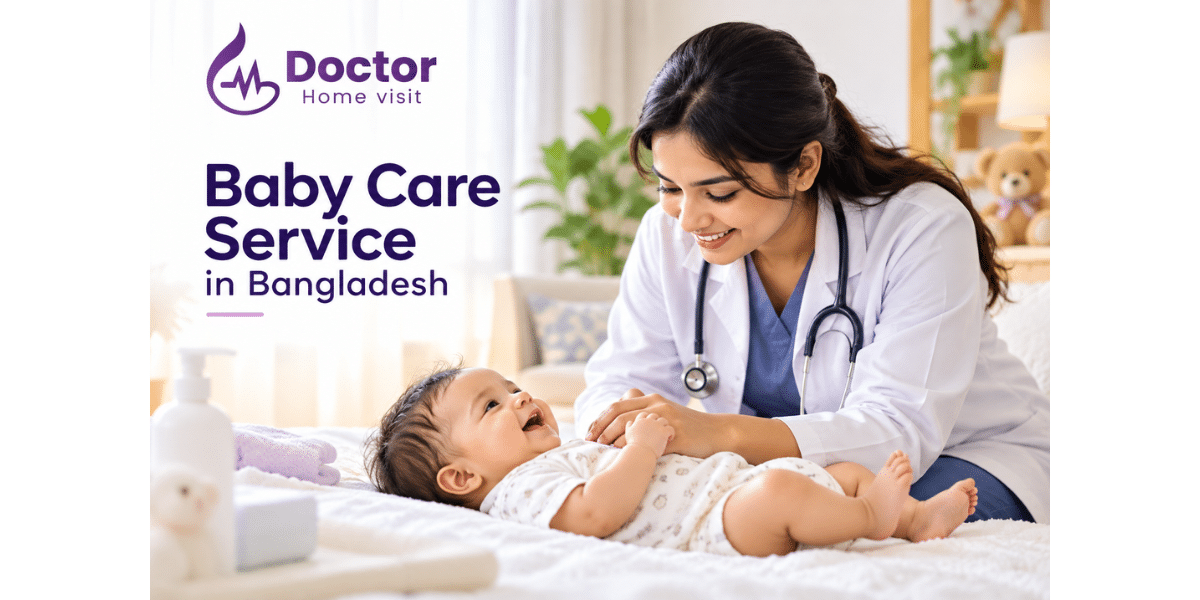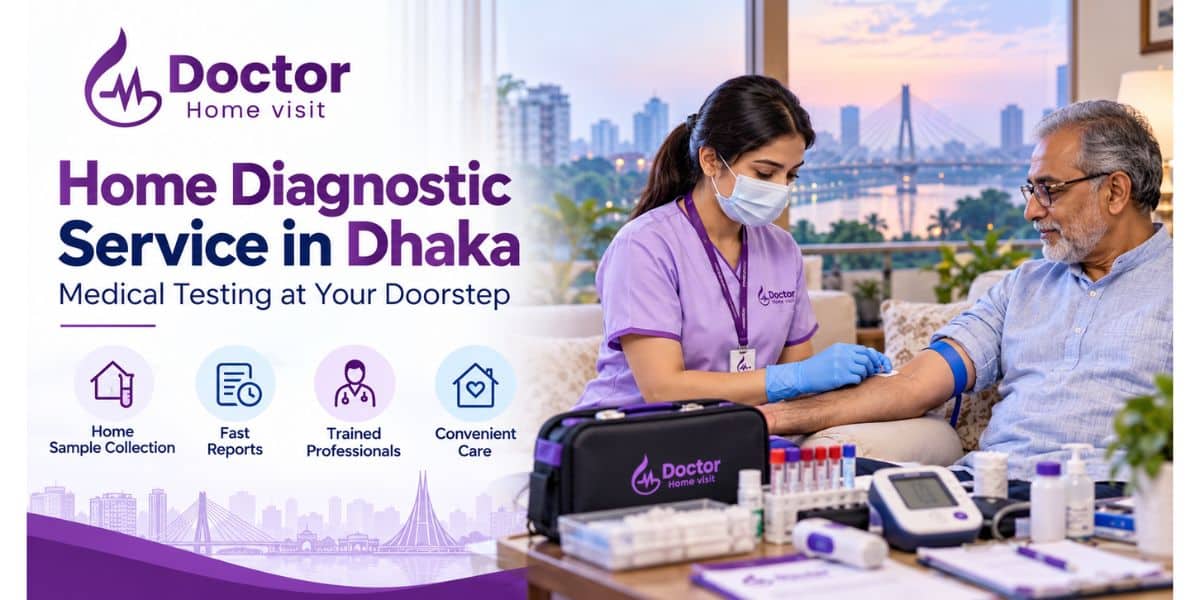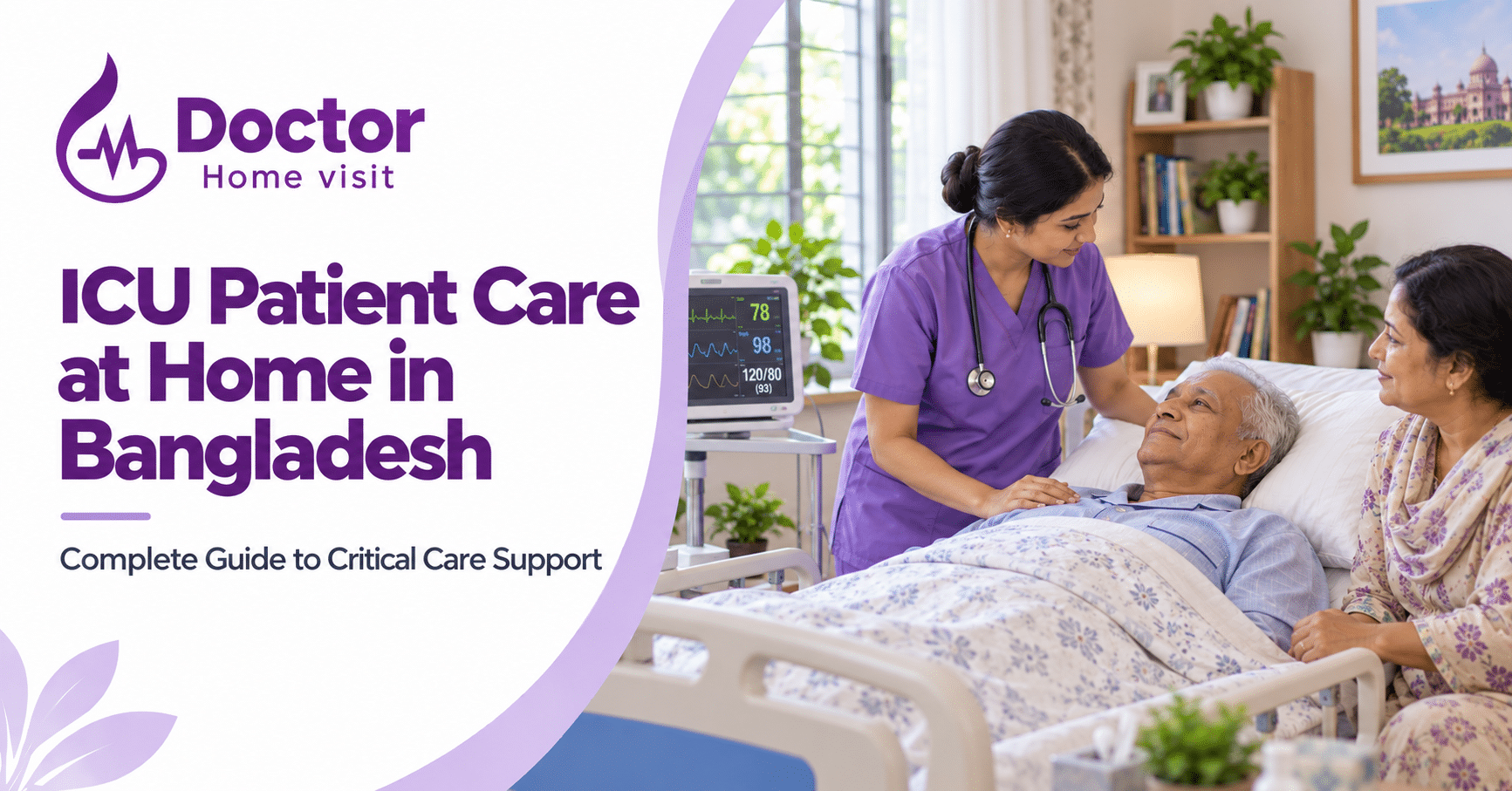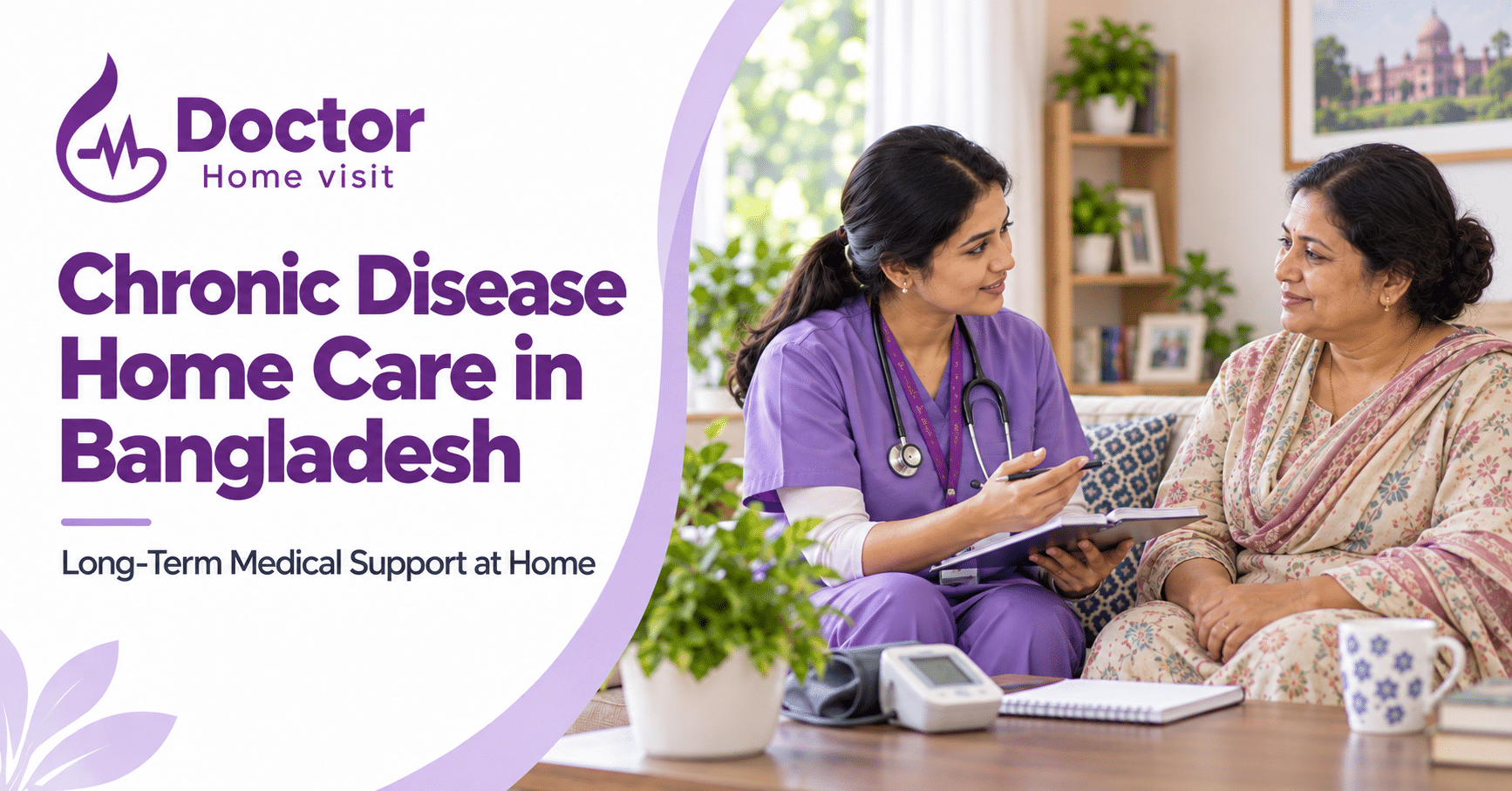
Healthcare is changing fast in Bangladesh. A few years ago, most people thought medical care meant going to a hospital, waiting in a crowded clinic, meeting a doctor for a few minutes, then returning home tired and stressed. But today, many families want safer, easier, and more personal healthcare support. That is where the Home Health Service in Bangladesh becomes important.
Doctor Home Visit Bd provides healthcare support at home for patients who need doctor consultation, nursing care, caregiver service, elderly care, post-surgery support, and regular checkup assistance. Whether someone is elderly, recovering from surgery, living with chronic illnesses, or unable to travel, home healthcare can make treatment more comfortable and practical.
What Is Home Health Service?
Home health service means professional medical and patient care support provided at a patient’s home. Instead of visiting a hospital or clinic every time, patients can receive doctor consultation, nursing, caregiver support, physiotherapy, medicine monitoring, and personal care assistance in their own home environment.
In simple words, it brings healthcare closer to the patient. For many families in Dhaka and other areas of Bangladesh, this service saves time, reduces stress, and gives patients a more comfortable treatment experience.
Understanding Healthcare Support at Home
Healthcare support at home is not just about calling a doctor for a quick visit. It can include medical checkup, doctor visit, nursing care, patient care taker support, elderly assistance, medicine follow-up, and urgent care guidance when needed.
For example, an elderly person with diabetes or blood pressure may not need hospital admission every week. But they may need regular monitoring, medicine reminders, diet support, and doctor consultation. A qualified home health service provider can help manage these needs properly.
How Home Health Services Work
Home health services usually start with a patient’s condition and care requirement. The family contacts the service provider, explains the health issue, and books a doctor’s appointment, nurse, caregiver, or general physician home visit.
After that, the healthcare professional visits the home, checks the patient, reviews reports, suggests treatment, and gives follow-up advice. In some cases, the patient may need long-term home care, skilled nursing, elderly care, or post-surgery support.
Difference Between Home Healthcare and Hospital Care
Hospital care is important for serious emergencies, ICU support, surgery, and advanced medical treatment. But not every health condition requires hospital admission. Many patients only need regular monitoring, medicine support, wound dressing, physiotherapy, or doctor consultation at home.
Home healthcare is more personal and comfortable. The patient stays with family, avoids hospital crowd, and gets focused care. Hospital care is facility-based, while home healthcare is patient-centered.
Why Home Health Services Are Important in Bangladesh
Home health service is becoming more important in Bangladesh because families are busier, hospital visits are stressful, and many patients need regular support outside medical facilities. For elderly patients, children, and people with mobility issues, going to a clinic is not always easy.
In Dhaka, traffic, waiting time, and hospital pressure make regular medical visits difficult. That is why many families search for terms like Doctor home service near me, Home doctor service in Dhaka, and Doctor home visit BD.
Increasing Need for Healthcare at Home
Bangladesh has many elderly patients, chronic disease patients, and families who need reliable medical home care. Conditions like diabetes, stroke recovery, high blood pressure, paralysis, asthma, and old age weakness often need continuous support.
Home care helps these patients stay safe and comfortable. It also helps family members manage treatment without running to hospitals for every small issue.
Challenges of Traditional Hospital-Based Care
Traditional hospital-based care can be difficult for many families. Long queues, transport issues, appointment delays, high costs, and crowded environments can create pressure for both patients and family members.
For elderly patients or people with physical weakness, even a simple doctor consultation may become exhausting. Home health service solves this problem by bringing medical consultation, nursing, and caregiver support to the patient’s doorstep.
Supporting Patients Outside Medical Facilities
Not every patient needs to stay inside a hospital. Many people need support after discharge, surgery, illness, or long-term treatment. Home healthcare allows patients to continue recovery safely outside medical facilities.
A patient may need dressing, injection, medicine support, physiotherapy, or follow-up checkup. With qualified doctors, nurses, and caregivers, families can manage these needs at home.
Types of Home Health Services Available
Home health service in Bangladesh can include many types of medical and non-medical support. The right service depends on the patient’s age, condition, mobility, and treatment plan.
Doctor Home Visit Bd focuses on practical home healthcare support, including doctor consultation, skilled nursing, caregiver service, elderly care, and post-surgery home care.
Doctor Consultation at Home
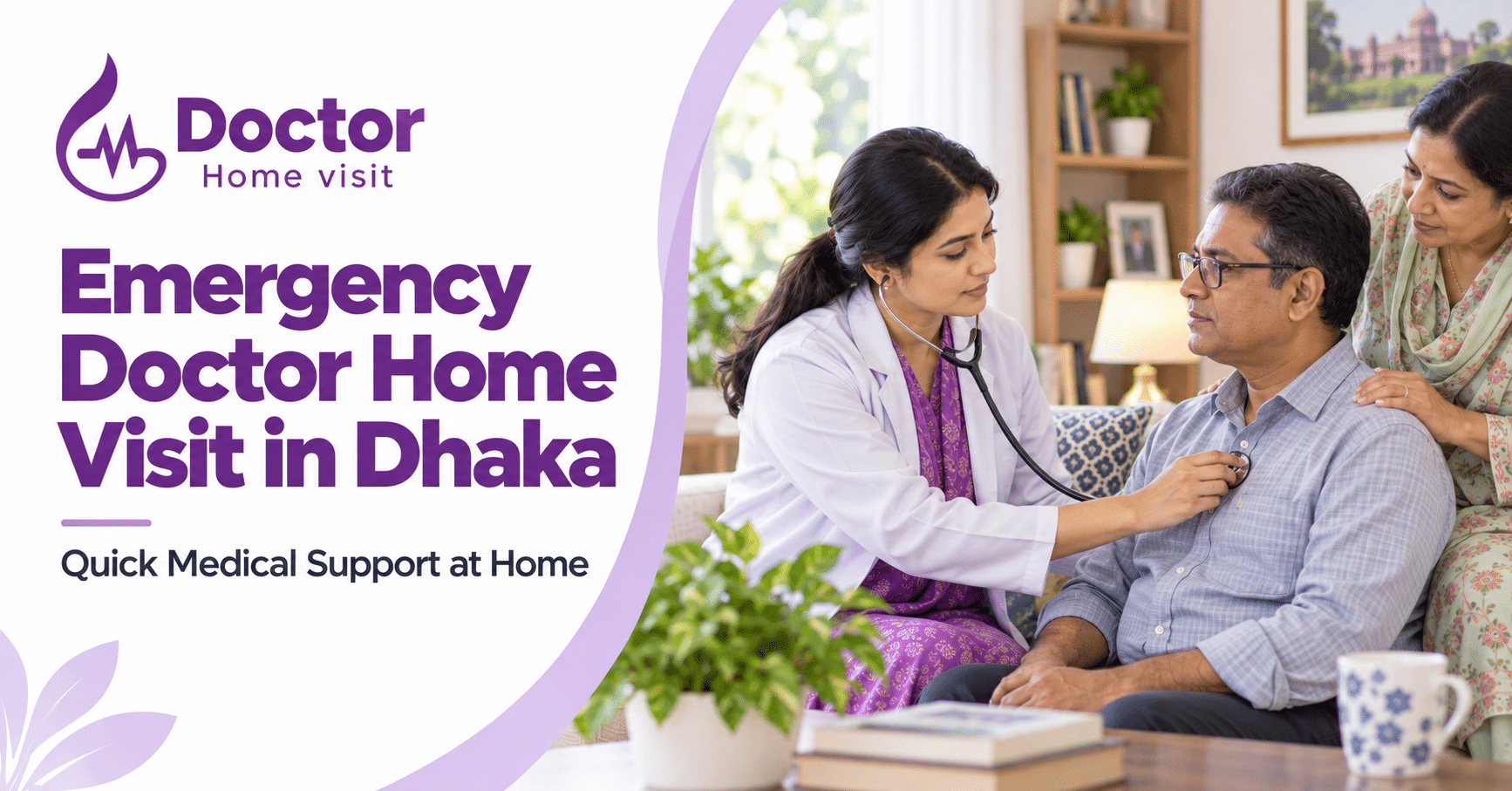
Doctor consultation at home is one of the most requested services. A general physician or medical doctor visits the patient’s home, checks symptoms, reviews reports, gives medical advice, and suggests medicine or further tests if needed.
This is helpful for fever, weakness, blood pressure issues, diabetes checkup, elderly health problems, and follow-up treatment. Many families search for “doctor home service near me” because they want fast and reliable medical support without visiting a clinic.
Skilled Nursing Care
Skilled nursing care includes professional medical support from trained nurses. This may include injection, IV support, wound dressing, catheter care, medicine management, post-surgery care, and vital sign monitoring.
Nursing care is especially important for patients who are weak, bedridden, recovering from surgery, or living with chronic illnesses. A qualified nurse can reduce complications and help the patient recover safely at home.
Caregiver Support Services
Caregiver service focuses on daily patient assistance. A caregiver helps with feeding, movement, hygiene, medicine reminders, basic monitoring, and emotional support.
This type of home care is very useful for elderly people, stroke patients, disabled patients, and people who cannot manage daily tasks alone. A caregiver becomes a helping hand for both the patient and the family.
Elderly Care Assistance
Elderly care is one of the most important parts of home healthcare. Old age often brings weakness, memory problems, mobility issues, chronic disease, and emotional loneliness.
Elder care support may include daily care, medicine reminders, personal hygiene, walking assistance, meal support, doctor appointment coordination, and regular checkup help. It allows elderly patients to live with dignity at home.
Post-Surgery Home Care
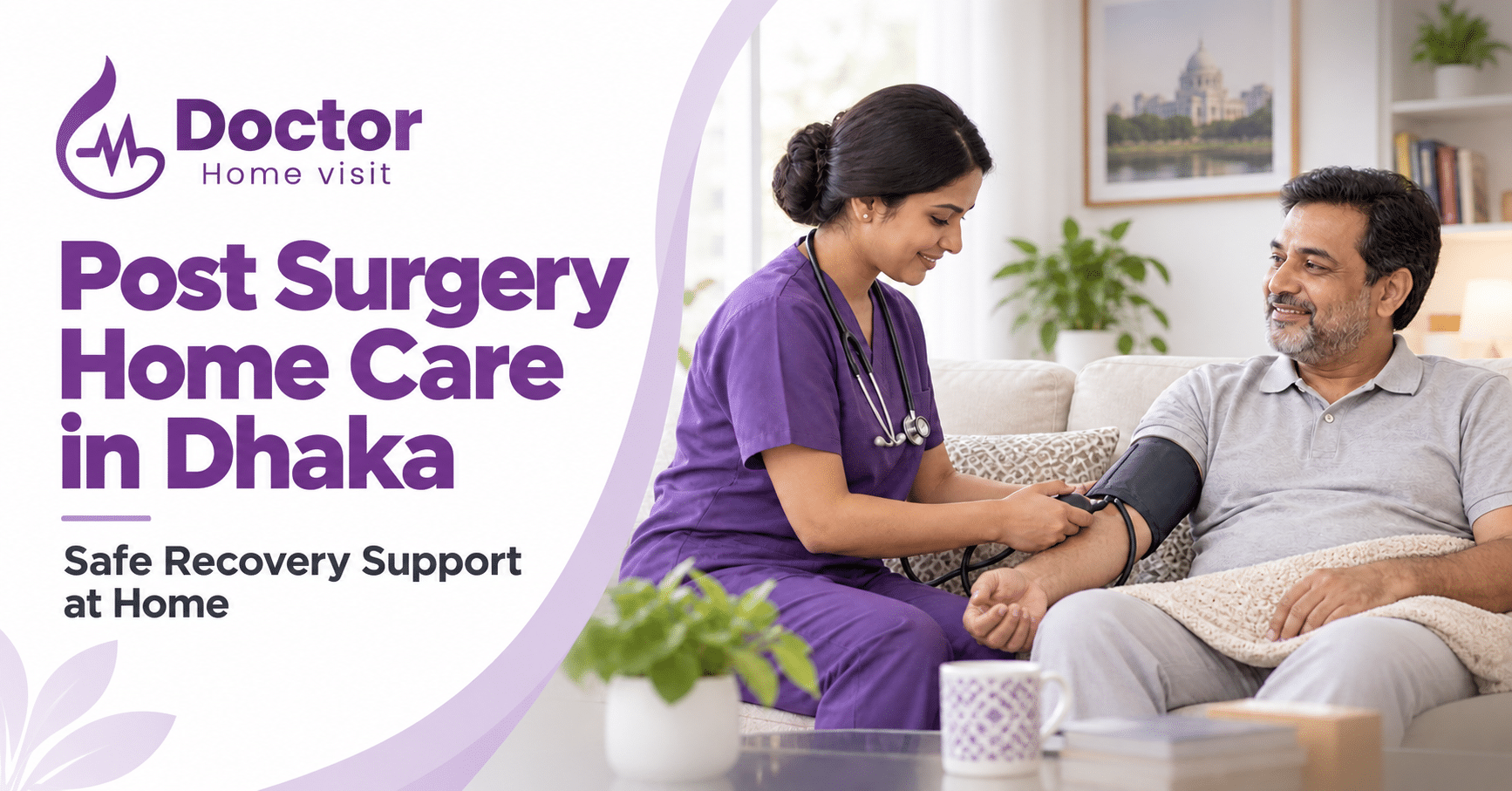
After surgery, many patients need proper home care to recover safely. They may need wound dressing, medicine support, diet monitoring, movement assistance, and follow-up doctor consultation.
Post-surgery home care reduces the chance of infection and helps patients recover in a comfortable environment. Family members also feel more confident when skilled nursing support is available.
Who Needs Home Health Services?
Home health services are suitable for many types of patients. It is not only for elderly people. Children, surgical patients, chronic disease patients, and people with mobility limitations can also benefit from home healthcare.
If a patient finds it difficult to travel to a hospital or clinic, home visit support can make treatment easier and safer.
Elderly Patients Requiring Daily Support
Elderly patients often need regular care, especially when they have diabetes, blood pressure, heart problems, joint pain, weakness, or memory issues. Many old age patients also need help with bathing, eating, walking, and taking medicine on time.
Home healthcare gives elderly patients comfort and safety. It also gives family members peace of mind because someone qualified is helping with daily care.
Patients Recovering From Surgery
Surgery does not end when the patient leaves the hospital. Recovery is a major part of treatment. A patient may need dressing, pain monitoring, medicine support, and movement assistance for days or weeks.
Home health service helps surgical patients recover properly. It also reduces unnecessary hospital visits during the recovery period.
People Living With Chronic Diseases
Patients with chronic illnesses need long-term care and regular monitoring. Diabetes, hypertension, kidney disease, stroke complications, respiratory disease, and heart conditions often need ongoing medical support.
Home healthcare helps these patients stay under observation. Regular checkup, medicine support, and doctor consultation can reduce health risks.
Patients With Mobility Limitations
Some patients cannot move easily due to paralysis, stroke, injury, old age, disability, or severe weakness. For them, visiting a hospital can be painful and risky.
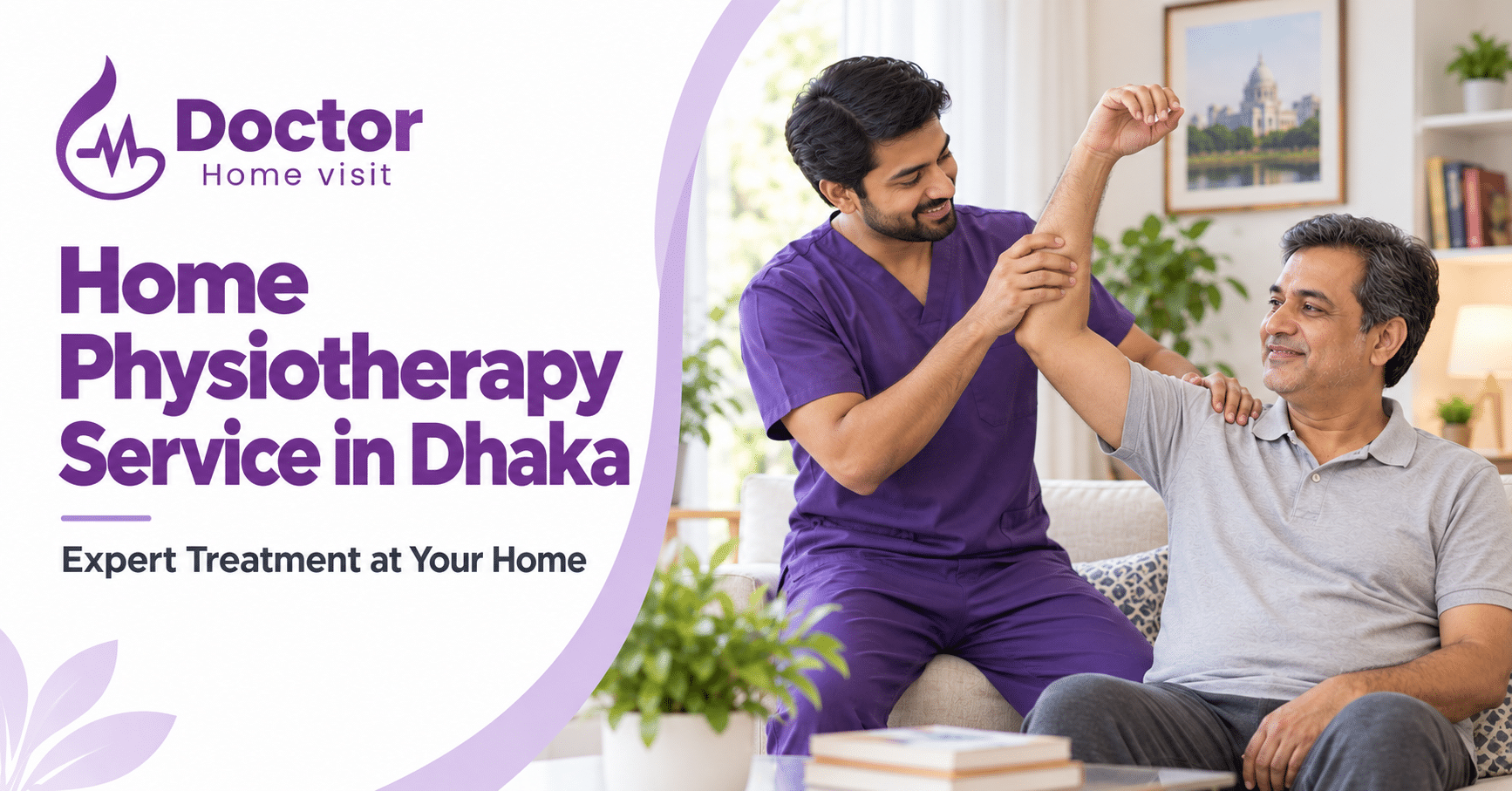
Home visit healthcare gives them access to medical care without travel stress. A doctor, nurse, caregiver, or physiotherapist can provide support at home based on need.
Children Requiring Special Healthcare Support
Home health service can also help children who need special care. Some children may need regular checkup, medicine monitoring, post-illness care, or support after hospital discharge.
For children, home care can feel less frightening than hospital visits. They stay in a familiar environment with family nearby.
Benefits of Choosing Home Healthcare Services
Home healthcare offers many practical benefits. It saves time, reduces travel pressure, improves comfort, and allows families to stay involved in patient care.
For many patients in Bangladesh, especially in Dhaka, home health service is not just convenient. It can be a smarter way to manage regular treatment.
Comfortable Treatment Environment
A patient usually feels better at home than in a hospital bed. The home environment is familiar, calm, and emotionally supportive.
This comfort can improve recovery. When patients feel relaxed, they communicate better, eat better, sleep better, and respond more positively to care.
Personalized Patient Care
In hospitals, doctors and nurses manage many patients at the same time. At home, care becomes more personal. The healthcare professional can focus on one patient’s condition, routine, medicine, and family concerns.
Personalized care is especially useful for elderly patients, chronic disease patients, and long-term care cases. It helps create a treatment plan that fits the patient’s daily life.
Reduced Hospital Visits
Home healthcare reduces the need for frequent hospital or clinic visits. This is helpful for regular checkups, medicine follow-ups, nursing care, and post-surgery support.
Fewer hospital visits also mean less travel cost, less waiting time, and lower exposure to infections. For weak patients, this is a big advantage.
Better Family Participation
Family plays a big role in patient recovery. With home healthcare, family members can stay involved in treatment, ask questions, understand medicine schedules, and support the patient emotionally.
This creates a stronger care system. The patient does not feel alone, and the family becomes part of the healing process.
Improved Healthcare Convenience
Convenience matters, especially when the patient is weak or elderly. Home health service makes care easier by bringing doctor consultation, nursing, caregiver support, and patient monitoring to the home.
Instead of adjusting the patient to the hospital system, home healthcare adjusts the service around the patient’s needs.
Role of Doctors in Home Health Services
Doctors are a key part of home health service. They assess the patient, diagnose health problems, review reports, suggest treatment, and guide the family.
A home visit doctor or general physician can help families understand whether the patient can be treated at home or needs hospital admission.
Medical Assessment and Consultation
During a home visit, the doctor checks symptoms, medical history, current medicine, blood pressure, pulse, temperature, and available medical reports. This helps the doctor understand the patient’s condition properly.
Doctor consultation at home is useful for fever, weakness, respiratory issues, elderly illness, chronic disease follow-up, and general health problems. It saves the patient from unnecessary travel.
Treatment Monitoring
Treatment monitoring means checking whether the patient is improving or not. A doctor may review medicine response, test reports, symptoms, and overall health progress.
This is important for chronic illnesses and post-surgery recovery. Without monitoring, small health problems can become serious.
Follow-Up Healthcare Support
Follow-up support helps keep treatment on track. The doctor may suggest medicine changes, further tests, diet advice, or hospital referral if needed.
For long-term patients, follow-up doctor consultation is very useful. It helps avoid confusion and keeps the family informed.
Role of Nurses and Caregivers in Home Healthcare
Nurses and caregivers provide daily support that doctors cannot give every hour. They help patients manage routine care, personal needs, medicine, and comfort.
In many home healthcare cases, nurses and caregivers become the backbone of patient care.
Daily Patient Assistance
Daily assistance includes helping the patient eat, move, sit, walk, change position, and maintain hygiene. For bedridden or elderly patients, this support is essential.
A trained caregiver can prevent many problems, such as bed sores, falls, weakness, and missed medicine schedules.
Medication Support
Many patients take several medicines daily. Missing a dose or taking the wrong medicine can create serious problems.
Nurses and caregivers help patients take medicine on time. They can also inform the family if the patient shows side effects or unusual symptoms.
Personal Care Assistance
Personal care includes bathing, dressing, grooming, toileting, feeding, and mobility support. These tasks may look simple, but they are very important for patient dignity and comfort.
For elderly patients and disabled patients, personal care assistance helps them live more safely and respectfully at home.
Emotional Support for Patients
Patients do not only need medicine. They also need emotional support. Long illness, old age, and limited mobility can make a person feel lonely or helpless.
A caring nurse or caregiver can provide comfort, patience, and companionship. This emotional support can improve the patient’s mood and recovery.
How to Choose the Right Home Health Service Provider?
Choosing the right home health service provider is very important. You are trusting someone with your family member’s health, safety, and comfort.
Before booking a service, check the provider’s professionals, service quality, availability, and patient support process.
Check Healthcare Professional Qualifications
Always check whether the doctors, nurses, and caregivers are qualified and trained. A qualified doctor, skilled nurse, or experienced caregiver can provide safer care.
Do not choose only based on price. In healthcare, skill and reliability matter more than cheap service.
Review Available Services
A good home health provider should offer multiple services, such as doctor consultation, nursing, caregiver service, elderly care, post-surgery support, physiotherapy, and patient care taker support.
This is helpful because patient needs may change over time. Today the patient may need a doctor visit, tomorrow nursing care, and later long-term caregiver support.
Consider Availability and Response Time
Healthcare needs can be urgent. So, response time matters. Choose a provider who can respond quickly and guide you properly.
For families in Dhaka, fast home visit support can be very helpful, especially when the patient is elderly, weak, or unable to travel.
Evaluate Patient Support Quality
Good healthcare is not only about medical treatment. Communication, behavior, patience, and follow-up also matter.
A reliable provider should listen carefully, explain clearly, and support the family throughout the care process.
Cost of Home Health Service in Bangladesh
The cost of home health service in Bangladesh depends on the type of service, patient condition, location, duration, and professional required. Doctor consultation, nursing, caregiver support, and long-term care all have different pricing.
Families often search for doctor home visit charges because they want to plan properly before booking. The best way is to discuss the patient’s condition first, then choose the right service package.
Factors Affecting Home Healthcare Charges
Several factors affect home healthcare charges. These include the patient’s condition, visit location, service duration, professional qualification, emergency level, and whether the care is one-time or long-term.
For example, a simple doctor consultation at home will not cost the same as 24-hour nursing care or long-term elderly care. The more complex the care, the higher the cost may be.
Doctor, Nursing, and Caregiver Service Costs
Doctor visit charges usually depend on the doctor type, location, and urgency. A general physician home visit may cost differently from a specialist doctor consultation.
Nursing care cost depends on shift hours, patient condition, and required medical tasks. Caregiver service cost depends on daily duty hours, patient dependency level, and long-term care needs.
Long-Term Care Planning
For long-term patients, planning is very important. Families should think about monthly care needs, medicine, doctor follow-up, nursing support, and caregiver duty.
A proper plan can reduce sudden costs and improve patient care quality. Doctor Home Visit Bd can help families choose suitable home care support based on the patient’s real needs.
Conclusion
Home Health Service in Bangladesh is becoming a practical solution for families who want safe, comfortable, and reliable healthcare support at home. From doctor consultation and skilled nursing to caregiver service, elderly care, and post-surgery support, home healthcare helps patients receive care without unnecessary hospital stress.
Doctor Home Visit Bd makes healthcare easier for patients and families by bringing qualified doctors, nurses, and caregivers closer to home. If your loved one needs medical support, elderly care, or regular patient assistance, home health service can be one of the smartest choices for better comfort, better care, and better peace of mind.
Frequently Asked Questions
Q1: What services are included in home healthcare?
Home healthcare can include doctor consultation, doctor visit, nursing care, caregiver service, elderly care, post-surgery care, physiotherapy, medicine support, and regular patient checkup.
The service depends on the patient’s condition. Some patients need only a one-time doctor consultation, while others may need daily caregiver or skilled nursing support.
Q2: Is home healthcare suitable for elderly patients?
Yes, home healthcare is very suitable for elderly patients. Old age patients often need medicine support, mobility help, personal care, regular checkup, and emotional support.
Home care allows elderly people to stay in a familiar environment with family. This makes care more comfortable and less stressful.
Q3: Can nurses provide care at home?
Yes, trained nurses can provide care at home. They can help with injection, wound dressing, catheter care, medicine management, vital sign monitoring, and post-surgery support.
For bedridden patients or patients recovering from surgery, skilled nursing care at home can be very helpful.
Q4: How much does home health service cost?
The cost depends on the type of service, location, duration, and patient condition. Doctor consultation, nursing care, caregiver service, and long-term elderly care have different charges.
To know the exact cost, it is best to contact Doctor Home Visit Bd and share the patient’s details.
Q5: How can I book home healthcare support?
You can book home healthcare support by contacting Doctor Home Visit Bd and explaining the patient’s condition, location, and required service.
After reviewing the need, the team can arrange doctor consultation, nursing care, caregiver support, or other home health services.
Q6: Is there a free online doctor consultation?
Some platforms may offer free online doctor help in Bangladesh for basic guidance, but serious health conditions need proper medical consultation.
If the patient has urgent symptoms, chronic illness, old age complications, or post-surgery issues, a professional doctor consultation is safer.
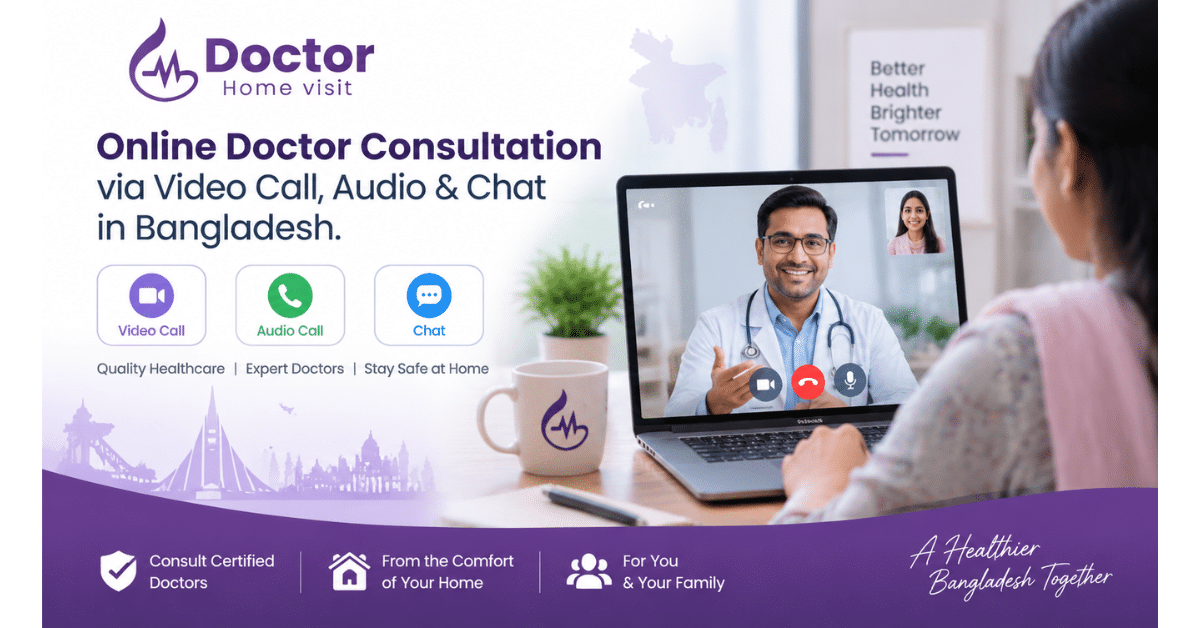
Q7: Can I see a doctor online in Bangladesh?
Yes, many patients can consult a doctor online in Bangladesh for basic health advice, follow-up support, and report review.
However, if physical checkup is needed, a home visit doctor or clinic visit may be necessary.
Q8: What is the difference between caregiver and nurse?
A nurse provides medical care such as injection, dressing, medicine monitoring, and clinical support. A caregiver helps with daily patient care, such as feeding, movement, hygiene, and personal assistance. Both are important, but their roles are different.