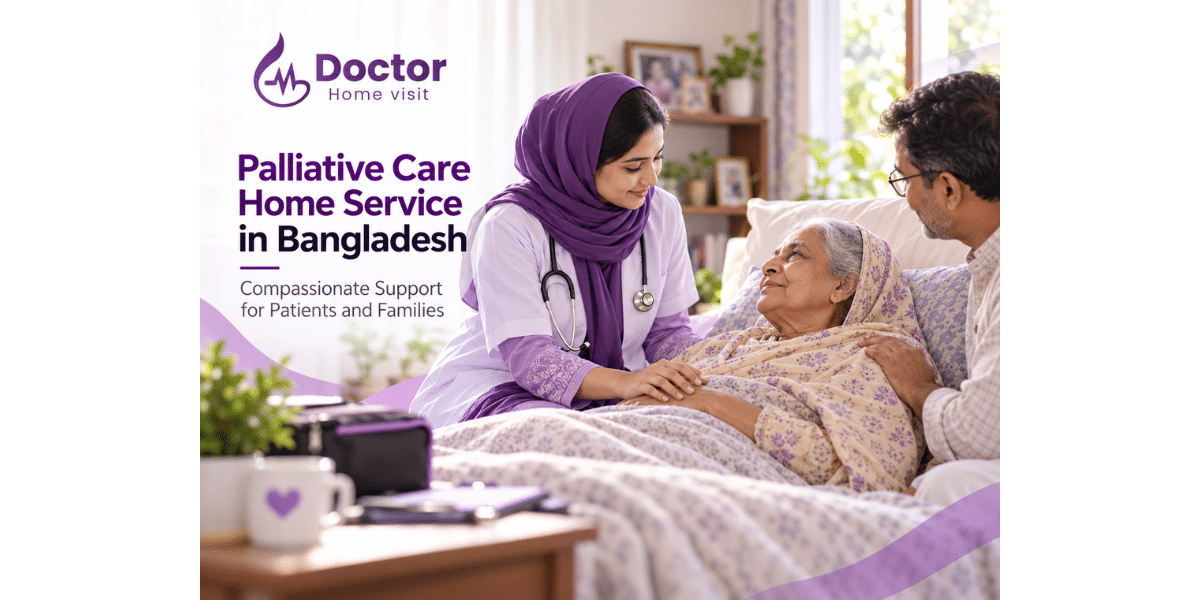
Serious illness changes life for both the patient and the family. The patient may need medical support, pain control, nursing care, emotional comfort, regular doctor follow-up, and help with daily activities. The family also feels pressure because they want to do everything right, but they may not always know what the patient needs. This is where Palliative Care Home Service in Bangladesh becomes very important.
Palliative care is not only about end-of-life care. It is about comfort, dignity, pain relief, symptom control, emotional support, and better quality of life. With Doctor Home Visit BD, patients can receive home care, doctor consultation, nursing, caregiver support, medical monitoring, and compassionate healthcare support at home. For many families in Bangladesh, especially in Dhaka, this service helps reduce hospital stress and allows the patient to stay close to family.
What Is Palliative Care at Home?
Palliative care at home is a type of healthcare support for patients living with serious, chronic, or life-limiting illnesses. The main goal is to reduce pain, manage symptoms, improve comfort, and support the patient emotionally and physically.
Unlike regular treatment that mainly focuses on curing disease, palliative care focuses on the patient’s daily comfort and quality of life. It can be provided alongside ongoing medical treatment, doctor consultation, medicine support, nursing care, and hospital follow-up.
Understanding Comfort-Focused Healthcare
Comfort-focused healthcare means the care plan is built around the patient’s comfort, dignity, and peace. The patient may have pain, breathing difficulty, weakness, poor appetite, anxiety, sleep problems, or emotional distress. Palliative care tries to reduce these problems as much as possible.
At home, this support becomes more personal. The patient stays in a familiar room, close to family, away from the noise and pressure of a hospital. For many elderly patients and chronic illness patients, this familiar environment can bring real emotional relief.
Goals of Home-Based Palliative Care
The main goals of home-based palliative care are pain relief, symptom control, emotional support, family guidance, and better daily living. A patient may not always need aggressive hospital treatment, but they may need regular monitoring, medicine management, nursing, hygiene care, and comfort support.
Doctor Home Visit BD helps families arrange suitable support based on the patient’s condition. The care may include doctor follow-up, skilled nursing, caregiver service, medical home care, physiotherapy, and urgent care guidance when needed.
Difference Between Palliative Care and Regular Treatment
Regular treatment usually focuses on curing the disease or controlling it through medicine, surgery, therapy, or hospital care. Palliative care focuses on comfort and quality of life while the patient continues medical treatment if needed.
For example, a cancer patient may continue specialist treatment but also need pain management and home nursing. A heart disease patient may continue medicine but need comfort support, monitoring, and family guidance. Palliative care works beside treatment, not always instead of treatment.
Who Needs Palliative Care Services?
Palliative care is suitable for patients who have serious illnesses, long-term health problems, terminal conditions, or symptoms that affect daily comfort. It is especially helpful when the patient needs ongoing support at home.
Many families search for Doctor home service near me, Home doctor service in Dhaka, Doctor home visit BD, or Doctor home visit charges because they want reliable medical support without repeated hospital visits.
Patients With Serious Illnesses
Patients with serious illnesses may need palliative care when symptoms become difficult to manage. These illnesses may include cancer, advanced heart disease, kidney disease, liver disease, respiratory illness, neurological disease, or severe weakness after hospitalization.
The patient may need pain control, breathing support, medicine review, nursing care, and emotional support. Palliative care helps the patient feel less alone and more supported during a difficult phase of life.
Chronic Disease Patients
Patients with chronic illnesses often need long-term care. Diabetes, high blood pressure, stroke complications, heart disease, kidney problems, COPD, and old age weakness can make daily life hard.
Palliative care can help chronic patients when regular treatment is not enough to maintain comfort. It supports medicine management, symptom monitoring, caregiver service, nursing care, and doctor consultation at home.
Terminal Illness Patients
Terminal illness patients need compassionate support that respects their comfort and dignity. At this stage, the focus may shift from aggressive treatment to pain relief, emotional peace, family presence, and meaningful daily care.
Home-based palliative care allows the patient to stay close to loved ones. Family members can spend more time with the patient while healthcare professionals guide daily care and symptom control.
Patients Needing Comfort Support
Some patients may not be terminal but still need comfort support because of severe weakness, pain, limited mobility, breathing problems, or long-term recovery conditions. These patients may feel uncomfortable, anxious, or dependent on others.
Palliative care helps improve daily comfort. A nurse, caregiver, or patient care taker can assist with hygiene, feeding, movement, medicine timing, and emotional support.
Services Included in Home Palliative Care
Home palliative care can include different services based on the patient’s condition. Some patients need only doctor follow-up and medicine guidance. Others may need nursing, caregiver service, oxygen support, physiotherapy, or regular health monitoring.
Doctor Home Visit BD can help families arrange a practical care plan that matches the patient’s needs.
Pain and Symptom Management
Pain and symptom management is one of the most important parts of palliative care. Patients may suffer from body pain, breathing difficulty, nausea, weakness, sleep problems, anxiety, constipation, appetite loss, or wound discomfort.
A qualified doctor or physician can review symptoms and suggest suitable treatment guidance. Nurses and caregivers can help monitor whether the patient is improving or if symptoms are getting worse.
Nursing Support
Nursing support is very helpful for patients who need skilled care at home. This may include medicine administration, injection support, wound care, catheter care, feeding support, vital sign monitoring, and hygiene care.
Skilled nursing also helps the family feel more confident. When a trained nurse is present, the patient receives safer care, and the family gets proper guidance.
Emotional and Family Support
Palliative care is not only physical care. Serious illness can bring fear, sadness, frustration, and emotional stress for both the patient and the family.
A compassionate care approach helps the patient feel respected and heard. Family members also need guidance on how to speak with the patient, how to manage daily needs, and how to stay calm during difficult moments.
Doctor Follow-Up Care
Doctor follow-up care keeps the patient’s treatment plan updated. The doctor may review symptoms, adjust medicine, suggest diagnostic tests, advise nursing care, or recommend hospital referral if needed.
For patients who cannot travel easily, home visit doctor support or online doctor consultation can be very useful. If the condition becomes serious, hospital or urgent care may be required.
Benefits of Palliative Care at Home
Palliative care at home provides comfort, privacy, emotional support, and personalized attention. It helps the patient receive healthcare without unnecessary hospital pressure.
For families in Bangladesh, this service can make care more manageable and more humane.
Comfortable Patient Environment
Home is often the most comfortable place for a patient. The patient can rest in a familiar bed, stay close to family, and avoid crowded hospital surroundings.
Comfort matters deeply in palliative care. When a patient feels safe and calm, pain and stress may feel easier to manage. A peaceful environment can improve sleep, appetite, mood, and cooperation with care.
Emotional Support From Family
Family presence is one of the greatest strengths of home-based palliative care. The patient can receive emotional support from loved ones throughout the day.
This support can reduce loneliness and fear. For elderly patients, terminal illness patients, and long-term care patients, family presence can make a major difference in emotional wellbeing.
Personalized Healthcare Attention
At home, care becomes more personal. The nurse, caregiver, or doctor can understand the patient’s routine, preferences, pain pattern, food habits, and emotional needs.
This personalized care is very different from a busy hospital environment. The patient receives focused attention, and the care plan can be adjusted based on daily condition.
Improved Quality of Life
The goal of palliative care is to improve quality of life. Even when a disease cannot be fully cured, the patient can still receive comfort, respect, pain relief, and emotional support.
Better quality of life may mean sleeping better, feeling less pain, eating more comfortably, breathing easier, or simply spending peaceful time with family.
Role of Family in Home Palliative Care
Family plays a central role in home palliative care. Healthcare professionals can guide and support, but daily care often depends on family involvement.
A strong family support system can help the patient feel safer, loved, and emotionally stable.
Supporting Patient Comfort
Family members can support patient comfort by helping with food, rest, clean clothing, calm surroundings, emotional conversation, and daily routine.
Small things matter. Adjusting pillows, keeping the room clean, helping the patient drink water, or simply sitting beside them can bring comfort.
Communicating With Healthcare Team
Clear communication with the healthcare team is important. Family members should share changes in symptoms, medicine response, pain level, appetite, sleep, breathing, and mood.
This helps doctors and nurses make better decisions. Keeping medical reports, prescriptions, and medicine lists ready also helps during doctor consultation.
Managing Daily Care Needs
Daily care needs may include feeding, bathing, toileting, changing position, medicine reminders, wound care support, and emotional reassurance. If the family cannot manage alone, caregiver service or nursing support can help.
A patient care taker can reduce the family’s workload and make care more consistent. This is especially helpful for elderly and bedridden patients.
Choosing a Palliative Care Provider
Choosing the right provider is important because palliative care needs medical skill and human compassion. A provider should be reliable, respectful, and experienced in home healthcare.
Do not choose only by price. Quality, trust, and communication matter more.
Healthcare Professional Experience
A good palliative care provider should have access to qualified doctors, nurses, caregivers, and healthcare professionals who understand serious illness and long-term care.
Experience matters because palliative patients may have complex symptoms. Pain, breathing difficulty, weakness, infection risk, chronic illnesses, and emotional distress all need careful handling.
Available Support Services
Before choosing a provider, check what services are available. These may include doctor home visit, nursing, caregiver service, physiotherapy, medical home care, online consultation, and urgent care guidance.
Doctor Home Visit BD offers home-based healthcare support for patients and families who need ongoing care in Bangladesh.
Compassionate Patient Approach
Compassion is essential in palliative care. The patient should be treated with dignity, patience, and respect.
A good caregiver or nurse does not only complete tasks. They listen, observe, comfort, and support the patient like a person, not just a case.
Cost of Palliative Care Home Service
The cost of palliative care home service depends on the patient’s condition, level of support, location, duration, nursing hours, doctor visits, and caregiver requirements.
Some patients need short daily support, while others need 24-hour care. The total cost changes based on these needs.
Factors Affecting Care Cost
Several factors affect the cost, including doctor consultation, nursing duty hours, caregiver service, medical equipment, medicine needs, patient mobility, and emergency support requirements.
Location can also affect cost. Service charges in Dhaka may vary depending on distance, availability, and visit timing.
Duration and Level of Support Required
A patient who needs occasional doctor follow-up will cost less than a patient who needs full-time nursing and caregiver support. Terminal illness or critical patients may need more continuous care.
For accurate pricing, families should share the patient’s condition, diagnosis, care needs, and location with Doctor Home Visit BD.
Conclusion
Palliative Care Home Service in Bangladesh helps patients live with more comfort, dignity, and emotional support during serious illness. It brings doctor follow-up, nursing, pain management, caregiver service, and family guidance into the home environment.
Doctor Home Visit BD supports patients and families with compassionate home-based healthcare. If your loved one needs comfort-focused care, symptom support, or long-term medical assistance, palliative care at home can make daily life more peaceful and manageable.
Frequently Asked Questions
Q1: What is palliative care at home?
Palliative care at home is comfort-focused healthcare for patients with serious, chronic, or terminal illnesses. It includes pain relief, symptom management, nursing, caregiver support, and doctor follow-up.
The goal is to improve comfort and quality of life at home.
Q2: Who needs palliative care service?
Patients with serious illness, chronic disease, terminal illness, severe weakness, long-term pain, or limited mobility may need palliative care.
It is also helpful for elderly patients who need comfort support and regular medical guidance.
Q3: Can palliative care improve patient comfort?
Yes, palliative care can improve comfort by managing pain, symptoms, emotional stress, hygiene needs, medicine routines, and daily care.
It helps the patient feel more supported and less distressed.
Q4: How much does home palliative care cost?
The cost depends on doctor visits, nursing hours, caregiver support, location, patient condition, and care duration.
For exact charges, contact Doctor Home Visit BD and share the patient’s needs.
Q5: How can I arrange palliative care support?
You can arrange palliative care by contacting Doctor Home Visit BD and sharing the patient’s diagnosis, condition, symptoms, location, and required support.
The team can guide you about doctor consultation, nursing, caregiver service, and home care options.
Q6: Is palliative care only for end-of-life patients?
No. Palliative care is not only for end-of-life patients. It can support anyone with serious illness who needs comfort, symptom control, and better quality of life.
It can be provided alongside regular treatment.
Q7: Can palliative care be provided with hospital treatment?
Yes, palliative care can continue alongside hospital treatment, specialist doctor consultation, medicine, and diagnostic follow-up.
It supports comfort while the patient continues necessary medical care.
Q8: When should a palliative patient go to the hospital?
A patient should go to the hospital if there is severe breathing difficulty, unconsciousness, heavy bleeding, severe pain, seizure, sudden collapse, or rapidly worsening condition.
Home care is helpful, but emergencies need hospital support.